
Chronic Condition Management
Tailored food, dietitian care and education that help people put nutrition advice into practice at home, every day.

Support That Builds over Time
Step 1: Understand Needs and Set Practical Goals
Registered dietitians review nutrition needs, relevant clinical information and eating patterns, then help participants set achievable goals.
Step 2: Match Food to Daily Life
Match meals, medically tailored groceries, produce and pantry options to clinical needs and the ability to prepare food. Coordinate delivery frequency with the program’s service plan.
Step 3: Make Education Useful
Use condition-specific lessons, recipes and individual or group guidance to teach meal planning, label reading and other practical skills.
Step 4: Stay Connected and Adjust Support
Virtual dietitian visits and ongoing engagement help participants review progress and address barriers. Our team coordinates agreed follow-up with the health plan or provider when needs change.

Nutrition Support for Different Health Needs
For Medicaid managed care organizations and their provider and community partners, we build nutrition programs focused on chronic condition management and barriers such as food insecurity or limited transportation.
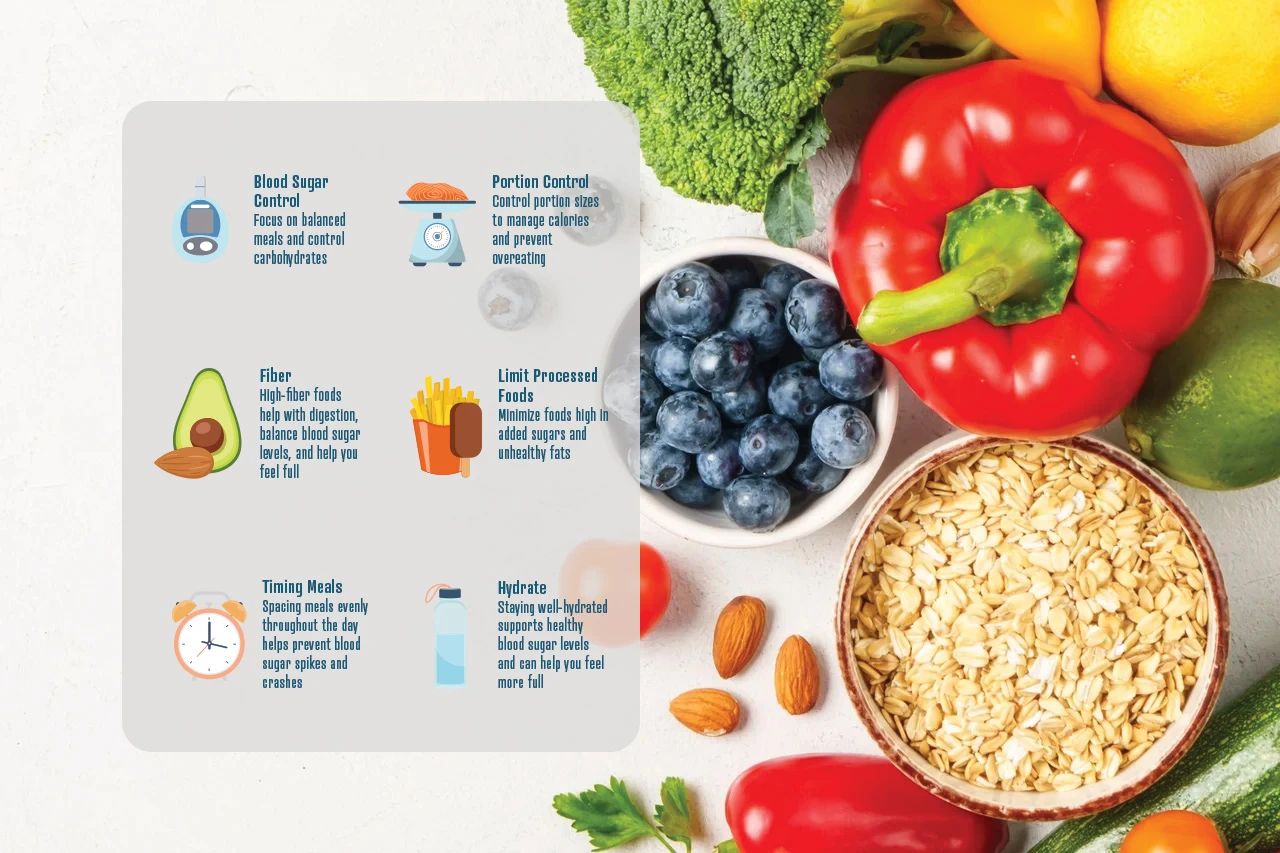
Help participants understand carbohydrate choices, meal patterns and the relationship between nutrition and blood sugar goals.
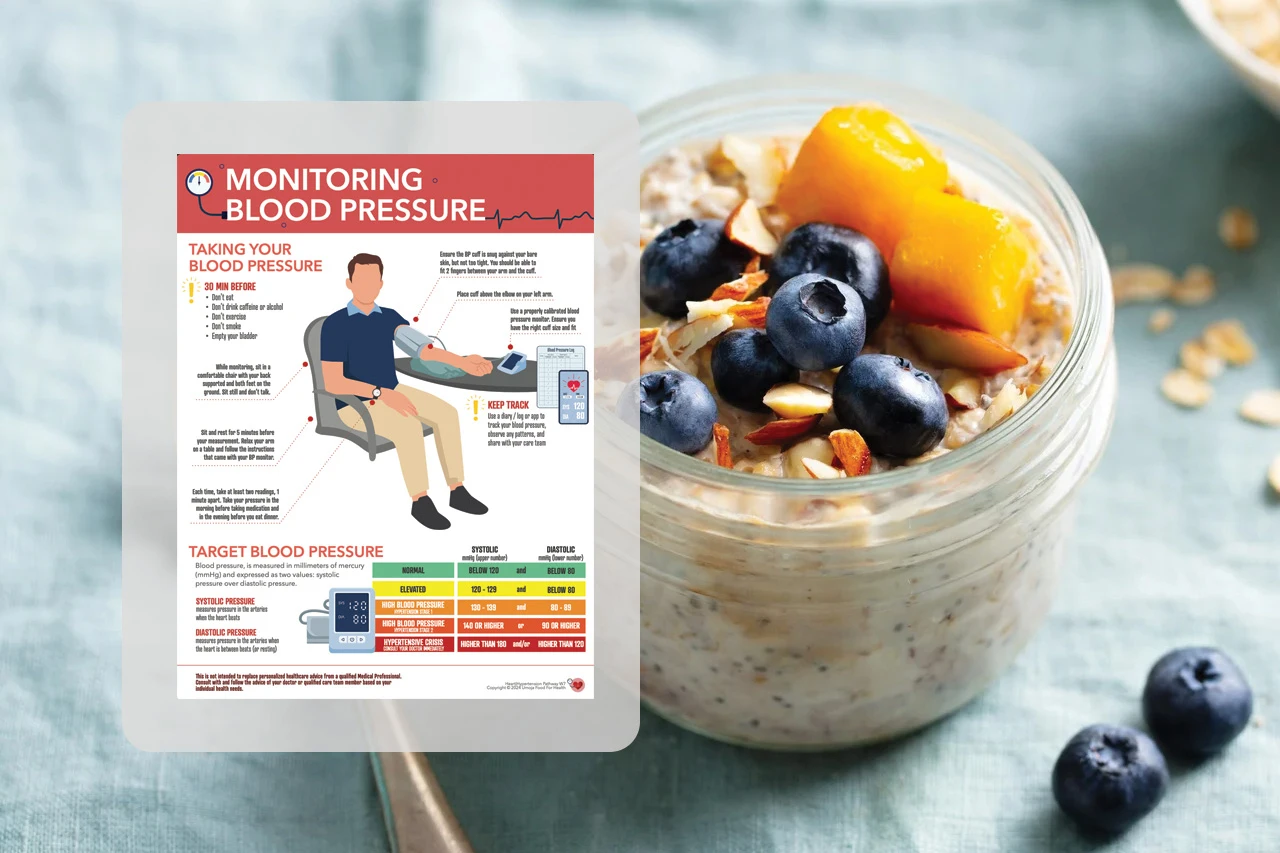
Support practical changes such as understanding sodium, choosing appropriate foods and building eating patterns aligned with the care plan.
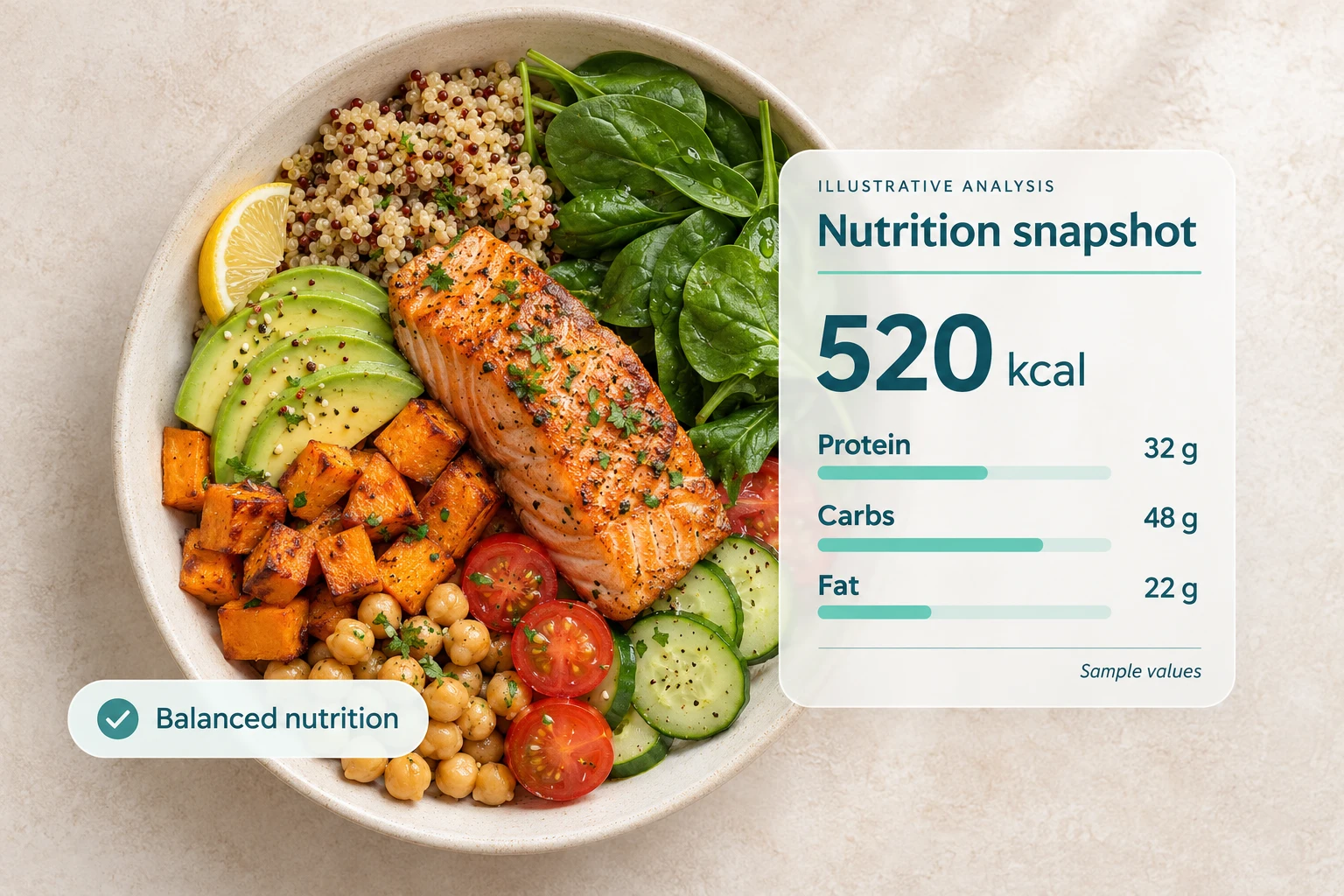
Bring dietitian guidance to overlapping nutrition needs and tailor food support to the individual’s clinical circumstances.

Our Results with HCSC
In our Living365 Heart Healthy and Pregnancy programs, participating members had lower healthcare costs and reduced healthcare utilization, including decreases in ER, inpatient and outpatient services, compared to similar non-participating members.

Clearer Progress for Members and Health Plans
Track completed nutrition visits, education participation, food access, member experience and relevant clinical measures such as A1C or blood pressure.
Real-time program insights help teams identify gaps in participation and adherence. Agreed clinical and claims data support evaluation of HEDIS priorities, healthcare use and cost of care.

Plan for Lasting Support
Plan follow-up, ongoing education and step-down food options as participants’ needs change, within the services available through their program.
Security First at Every Step
Our Zero Trust approach treats every access request as something to verify. Permissions are tied to roles and partner requirements, and controlled workflows govern how information is accessed, used and exchanged.
- HIPAA Safeguards
Member health information is protected under HIPAA’s privacy and security rules.
- SOC 2 Type II Audited
An independent audit confirms our security controls protect customer data.
- Encrypted in Transit and at Rest
Files travel over encrypted connections, and member data is stored in encrypted databases.
- Role-Based Access
Staff sign in with secured company accounts, and access rules by team and role mean a member’s record opens only for people cleared to see it.
- Health Care Service Corporation (HCSC), Living365 ROI analysis, evaluation period June 2024 to January 2026, October 2026.
Support for Members Living with Chronic Conditions
Your health plan may offer food delivery, dietitian visits and nutrition education through Umoja Health. Available foods and services depend on your program.