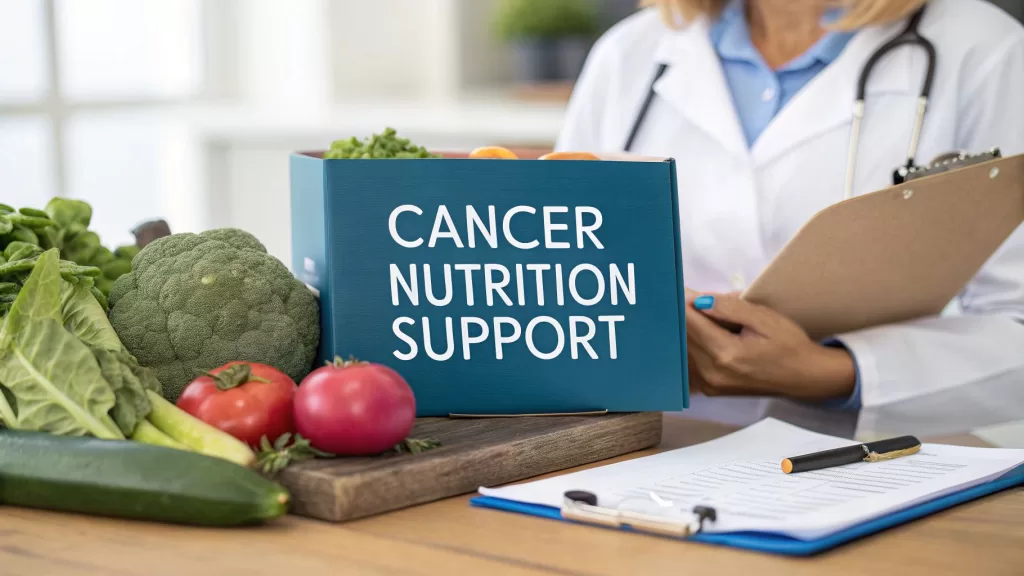
When someone gets a cancer diagnosis, "eat healthy" is the last thing they need to hear. It's vague, generic, and frankly, unhelpful when you're facing something so overwhelming. This is where structured cancer nutrition support programs come in. They aren't about just eating well; they're a core part of the treatment plan, built to tackle the very specific metabolic challenges that both the cancer and its therapies throw at the body.
These programs are designed to provide targeted, practical guidance that helps patients maintain their strength, get a handle on side effects, and ultimately, improve their quality of life.
Why Nutrition Is a Critical Part of Cancer Care
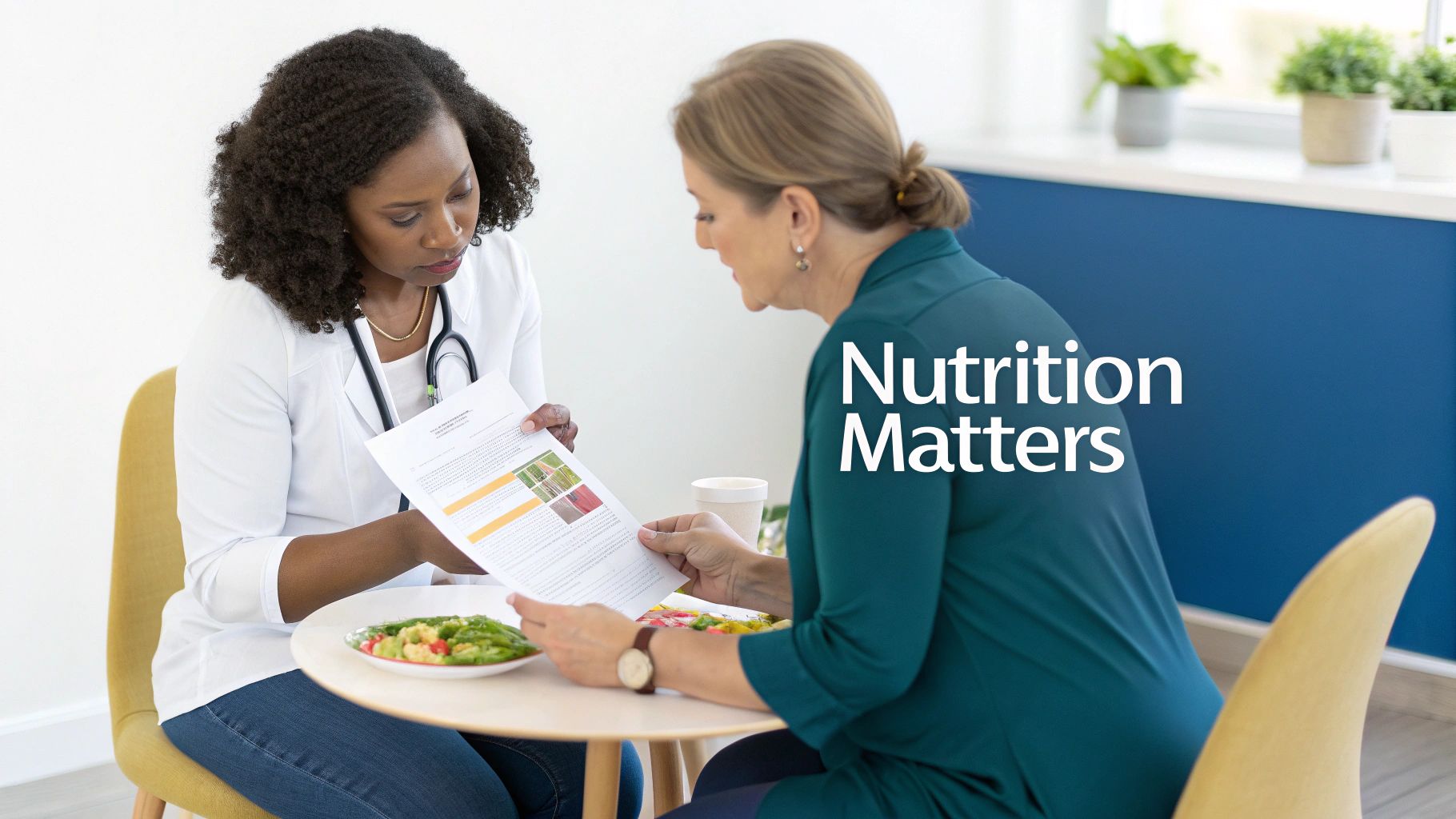
Navigating a cancer journey is a battle fought on multiple fronts, and nutrition is a key pillar of that fight. During this time, the body's energy and nutrient needs change dramatically. The cancer itself can throw metabolism into chaos, while treatments like chemotherapy and radiation often bring on side effects that make the simple act of eating feel impossible.
This is the crucial difference between general wellness advice and targeted cancer nutrition. A well-designed strategy isn't about restrictive dieting. It's about giving the body the precise fuel it needs to function at its best while under immense stress.
The Challenge of Malnutrition and Cachexia
One of the biggest hurdles patients face is malnutrition. And this isn't just about weight loss; a patient can be overweight and still be severely malnourished if they aren't getting the right mix of protein, calories, and micronutrients. It's a massive issue, with studies showing that between 30% and 85% of cancer patients experience some form of malnutrition.
This isn't a minor problem. It’s directly linked to higher complication rates, increased treatment toxicities, and sadly, reduced survival. You can read the full research on the impact of malnutrition in oncology to really grasp its scope.
Then there's cachexia, a devastating syndrome marked by severe muscle loss and inflammation. It's far more complex than simple weight loss and can't be fixed just by eating more. Reversing it requires a specific nutritional approach, one that’s laser-focused on nutrient-dense foods and high-quality protein to preserve every ounce of muscle mass and strength.
Key Takeaway: Proper nutrition during cancer treatment is a medical necessity. It helps the body tolerate treatments better, recover faster, and maintain the strength needed to fight the disease effectively.
Easing Side Effects and Boosting Immunity
Good cancer nutrition support programs don't just react to problems; they proactively help manage the side effects that so often get in the way of eating. They offer real-world, practical solutions for common issues:
- Nausea and Vomiting: The focus shifts to bland, easy-to-digest foods. Think simple broths, crackers, or ginger ale to help calm the stomach.
- Taste and Smell Changes: Simple tricks can make a huge difference, like using plastic utensils to avoid a metallic taste or adding fresh herbs and spices to make food more appealing again.
- Mouth Sores (Mucositis): The game plan is all about soft, non-acidic foods. Smoothies, yogurt, and scrambled eggs are great because they don't irritate sensitive tissues.
By tackling these challenges head-on, patients can keep their nutritional intake more consistent. This, in turn, helps support an immune system that’s already weakened by treatment. A well-nourished body is simply better equipped to repair healthy tissues, lower infection risk, and keep up the energy needed for daily life.
The Vital Role of Caregivers
Let’s be honest: caregivers are the indispensable partners in this journey. They're often the ones shopping for groceries, preparing every meal, and offering gentle encouragement when a patient’s appetite is gone. The best nutrition support programs recognize this and pull caregivers right into the planning process.
When you engage caregivers, the nutritional advice becomes practical and sustainable at home. They learn specific cooking techniques, get ideas for simple but nutrient-packed meals, and understand how to adapt recipes to a patient's ever-changing needs. This collaborative approach empowers the entire support system, turning what could be a stressful mealtime into a moment of connection and care.
With the right support, food stops being a challenge and becomes one of the most powerful tools for healing.
Exploring Different Nutrition Support Models
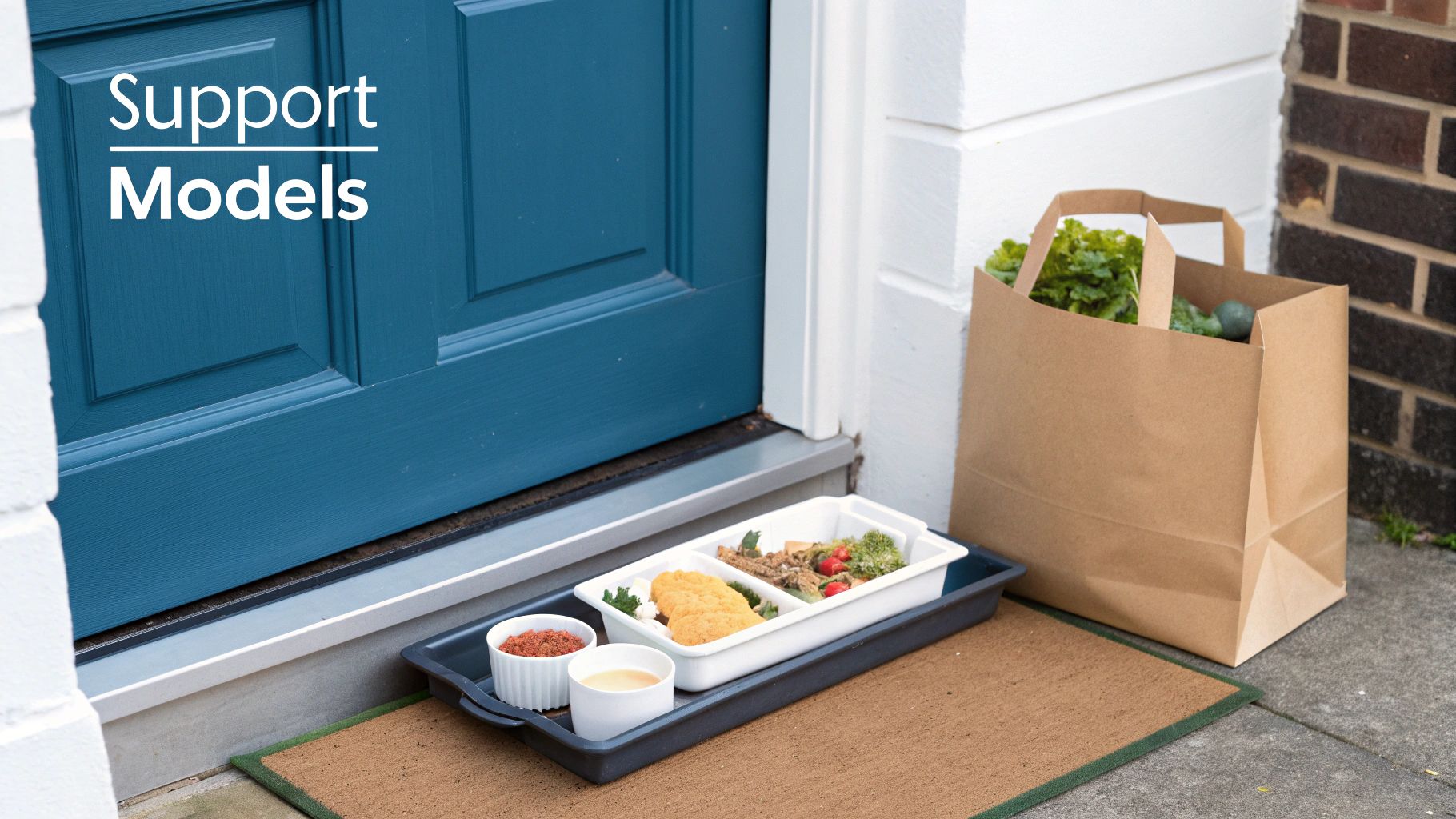
Realizing you need nutritional support is one thing; figuring out what that actually looks like is another challenge entirely. Cancer nutrition programs aren't a one-size-fits-all solution. They come in a few different flavors, each designed to fit unique patient needs, logistical realities, and personal situations.
The goal is always the same: knock down the barriers to good nutrition. That barrier might be a lack of energy, trouble getting to a store, or just not knowing what to eat. Let's walk through the most common approaches so you can get a clearer picture of what might work best.
Clinic-Based Support Programs
The most traditional model is the one you find right inside the cancer center or hospital. Here, the support is built around direct, personal time with an oncology dietitian. This one-on-one counseling is priceless for creating a truly personalized eating plan that can shift on a dime as your needs and side effects change.
These clinic-based programs often have another powerful tool in their arsenal: an on-site food pantry. This isn’t just a closet with canned goods. It’s a space stocked specifically with items that help cancer patients—think high-protein supplements, gentle broths, and easy-to-digest snacks. Being able to talk to a dietitian and immediately grab the recommended foods is a game-changer.
Real-World Scenario: A patient meets with their dietitian after chemo to talk about a new metallic taste they're experiencing. The dietitian suggests avoiding metal utensils and adding more tart flavors like lemon. They then walk over to the clinic's pantry to pick up plastic cutlery, lemon-infused water, and Greek yogurt—all at no cost.
Home-Delivery Meal and Grocery Kits
For so many patients, fatigue and mobility issues can make a simple trip to the grocery store feel like climbing a mountain. This is where home-delivery models become an absolute lifeline. These programs cut out the heavy lifting by bringing medically tailored support right to the front door.
This usually comes in one of two ways:
- Medically Tailored Meals (MTMs): These are pre-cooked, ready-to-heat meals designed by dietitians for a patient’s specific condition. The meals are portion-controlled, packed with nutrients, and created to be gentle on the palate for those dealing with side effects.
- Grocery and Produce Kits: This approach brings a curated box of fresh produce, lean proteins, and pantry staples. It gives patients and their caregivers the raw ingredients to cook healthy meals at home, which allows for more flexibility and a hands-on role in the kitchen.
Delivery-based programs are a practical way to ensure consistent access to quality food, especially for those living far from a full-service grocery store. It's a direct solution to the complex challenge of ensuring nutrition security when people need it most.
Grocery as Medicine Programs
A newer, more empowering model is often called "Grocery as Medicine" or "Food as Medicine." Instead of providing specific foods, these programs give patients the resources to make their own healthy choices. This usually happens through vouchers, prepaid debit cards, or "prescriptions" that can be used at participating grocery stores.
This model is fantastic because it respects personal preferences and cultural food traditions, letting people buy the foods they actually know and love. It’s often paired with nutritional education and shopping lists from a dietitian to help guide choices, but the power stays in the patient's hands. This fosters independence and helps build healthy habits that can stick around long after treatment ends.
Comparing Cancer Nutrition Support Program Models
To help you see how these models stack up, we've put together a simple comparison. Each approach has its own strengths and is designed to solve for different challenges a patient might face.
| Program Model | Key Features | Primary Benefit | Main Challenge |
|---|---|---|---|
| Clinic-Based | One-on-one dietitian counseling, on-site food pantry. | Highly personalized, immediate support and access to food. | Requires patient to physically visit the cancer center. |
| Home-Delivery | Medically tailored meals or grocery kits sent to the home. | Maximum convenience, overcomes fatigue and mobility issues. | Less patient choice, potential for food waste if items are disliked. |
| Grocery as Medicine | Vouchers or prepaid cards for use at grocery stores. | Empowers patient choice, culturally sensitive, builds skills. | Relies on patient motivation and access to participating stores. |
Ultimately, the best program is the one that's accessible, practical, and fits your needs. Each model offers a unique way to help you maintain strength and well-being through a tough time.
Designing Food Plans That Actually Work
Moving from theory to practice is where a cancer nutrition support program truly proves its worth. A good food plan isn't just a static list of "healthy" foods. It’s a dynamic, personalized strategy that meets a patient exactly where they are on any given day. It has to recognize that some days will be good, and others will demand a completely different approach to getting nourishment in.
The heart of a successful plan is its ability to adapt. It must be flexible enough to help manage the brutal, fluctuating side effects of treatment—nausea, taste changes, mouth sores, and bone-deep fatigue. This means having multiple game plans ready to go, ensuring the body gets the fuel it needs even when eating feels like the last thing a person wants to do.
Managing Side Effects With Targeted Nutrition
When you're designing food plans, you have to get practical about the unique challenges patients face, like figuring out what to eat during chemotherapy. A smart way to do this is by creating different "kits" or meal concepts built around specific symptoms.
For instance, a 'Gentle Foods' kit is a lifesaver on days filled with nausea or mouth sores. The goal here is soft textures and bland flavors that are easy to swallow and digest.
- Soothing Broths: Clear chicken, beef, or vegetable broths provide hydration and electrolytes without being overwhelming.
- Nutrient-Dense Smoothies: Blending yogurt, silken tofu, or a protein powder with soft fruits like bananas and a splash of milk creates a calorie-rich meal that requires zero chewing.
- Soft Proteins: Think scrambled eggs, cottage cheese, and flaky fish. They are excellent protein sources that are kind to a sore mouth and stomach.
On the flip side, for days when a patient feels better but needs to rebuild strength, a 'High-Energy' kit makes more sense. This approach focuses on calorie and protein density to fight fatigue and stop weight loss.
- Healthy Fats: Avocado, olive oil, nuts, and seeds are simple to add to meals and pack a big calorie punch in small amounts.
- Whole Grains: Oatmeal, quinoa, and brown rice provide steady, sustained energy.
- Dried Fruits and Nut Butters: These are great for snacking and can be mixed into yogurt or smoothies to boost their nutritional value.
A key takeaway for caregivers is to keep both types of ingredients on hand. Having these options ready removes the stress of last-minute meal planning when a patient's symptoms change without warning.
The Importance Of Cultural Connection In Food
Let's be honest: food is deeply personal and cultural. A nutrition plan that ignores a person's lifelong eating habits and comfort foods is a plan that is going to fail. For one person, a bowl of chicken noodle soup is the ultimate comfort. For another, it might be a warm bowl of congee or dal.
Effective nutrition programs make cultural sensitivity a top priority. This means dietitians work with patients and their families to fit medical advice into their specific cuisines. Instead of just handing over a generic menu, they ask questions:
- What dishes does your family cook for celebrations?
- What spices and flavors do you absolutely love?
- What are the go-to meals in your family when someone is feeling sick?
The answers help build a plan that is not only medically sound but also emotionally satisfying and familiar. It ensures the food is something the patient will actually want to eat, which is often half the battle. This very approach is fundamental to all nutrition security work, including efforts focused on younger populations, like those found in well-designed child nutrition programs.
Umoja's Approach To Palatable, Nutrient-Dense Recipes
At Umoja Health, our philosophy is simple: food must be both nourishing and desirable. Our recipe development is all about creating meals that are easy for caregivers to prepare and truly enjoyable for patients, even when they're dealing with tough side effects.
Actionable Steps for Caregivers:
- Embrace "Flavor Layering": When taste is diminished, layer your flavors. Use savory herbs like rosemary and thyme instead of just salt. A squeeze of lemon or a splash of vinegar can often cut through that metallic taste.
- Focus on Texture: Offer a variety of textures. If solid food is a no-go, try creamy soups, puddings, or smooth purees. On better days, a crunchy element like toasted nuts can make a meal far more interesting.
- Create "Mini-Meals": Forget three large meals. Try preparing five or six small, nutrient-dense mini-meals. A small cup of lentil soup, a hard-boiled egg, or a few slices of avocado can feel much more doable than a full plate.
- Use Natural Sweeteners: For those who can tolerate it, natural sweeteners like honey or maple syrup can make foods more palatable. Mixing them into plain yogurt or oatmeal adds both calories and flavor.
Our goal is to give caregivers simple, practical techniques that can turn mealtime from a source of stress into a moment of comfort and healing.
Engaging Caregivers As Essential Partners
No nutrition plan gets off the ground without the active involvement of caregivers. They are the ones on the front lines—shopping, cooking, and gently encouraging their loved ones to eat. Recognizing their critical role is non-negotiable for any program that wants to succeed.
Engaging caregivers means giving them direct support, including:
- Simple, Easy-to-Follow Recipes: Nobody has time for complex recipes with a mile-long ingredient list. Caregivers need quick, simple meal ideas that don’t chain them to the kitchen.
- Practical Cooking Tips: Guidance on how to boost calories (like adding a scoop of protein powder to a milkshake) or how to modify textures for easier swallowing is invaluable.
- Emotional Support: It’s so important to acknowledge the immense stress caregivers are under. Giving them a space to ask questions and share their struggles helps them feel seen and supported.
By empowering caregivers with knowledge and real-world tools, we can ensure that our carefully designed food plans are actually brought to life in the patient's home, making a tangible difference in their strength and well-being.
The Operational Backbone of a Successful Program
Designing a thoughtful food plan is the first crucial step, but the real magic happens in the execution. A successful cancer nutrition support program leans heavily on a robust operational backbone to get the right food to the right person at the right time—safely and reliably. This logistical framework is what turns a good idea into a life-sustaining service for patients and their families.
From the moment a food list is finalized, a complex chain of events kicks off. It's a process that demands careful planning, precise coordination, and an unwavering commitment to quality. This is the behind-the-scenes effort that ensures every meal or grocery kit delivered is not just nutritious, but also a source of comfort and relief.
From Kitting to Cold-Chain Management
The journey from warehouse to home almost always starts with kitting. This is simply the process of assembling the individual food packages. Whether it's handled by dedicated volunteers or a professional crew, this step requires meticulous attention to detail. Each box has to be packed according to a specific dietary plan, making sure items for a "gentle foods" day aren’t accidentally mixed in with "high-energy" snacks. It’s all about consistency and accuracy. If you want to get into the weeds of how these operations are managed, you can explore the details of professional kitting programs.
Once the boxes are packed, any perishable items immediately enter the cold-chain management system. This is a non-negotiable process that maintains a consistent, safe temperature for things like dairy, fresh produce, and proteins all the way from the warehouse to a patient's doorstep. Using insulated packaging, cold packs, and temperature-controlled vehicles is absolutely essential to prevent spoilage and foodborne illness.
A single broken link in the cold chain can render a perfectly planned food kit unsafe. Maintaining temperature integrity isn’t just a best practice; it's a critical patient safety requirement for any program handling fresh food.
Navigating Delivery Logistics
Getting the food into a patient's hands can happen in a few different ways, and the right model often depends on geography, your program's resources, and scale.
- Volunteer Networks: Many community-based programs are powered by the incredible dedication of volunteers who use their own vehicles for deliveries. This model builds a powerful sense of community and personal connection.
- Third-Party Logistics (3PL): As programs grow, they often partner with professional delivery services or 3PL providers. These companies already have the infrastructure to handle larger volumes, track packages in real-time, and guarantee timely delivery across wider service areas.
- Direct-to-Patient Shipping: For shelf-stable items, standard carriers like FedEx or UPS can be an efficient option, especially for reaching patients in rural or remote areas who might otherwise be left out.
This infographic gives a great visual of how food planning is adapted to manage the common side effects of treatment.
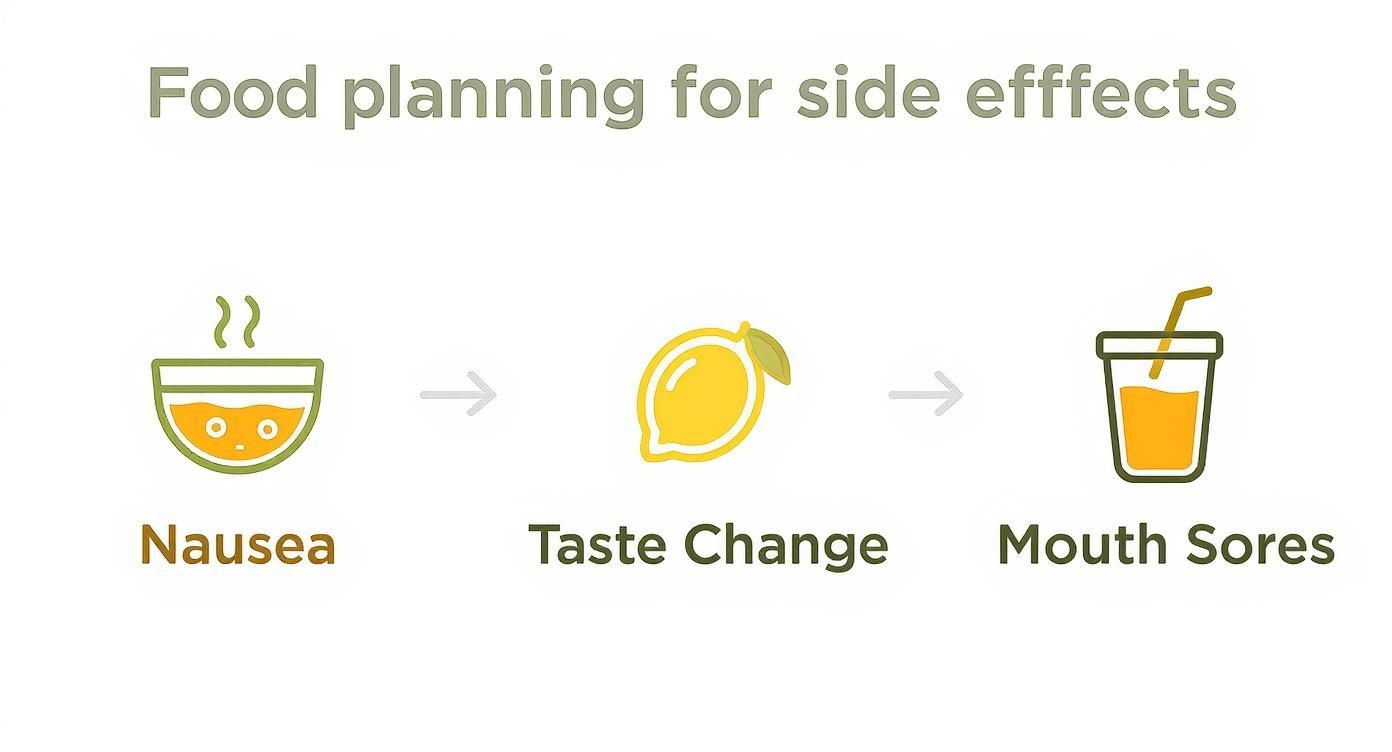
You can see how specific food types—like broths for nausea, citrus for taste changes, or smoothies for mouth sores—are strategically used to tackle these very real challenges.
Funding, Eligibility, and Compliance
Behind every single food delivery is an administrative framework that keeps the entire program running. Funding is the lifeblood, often coming from a mix of hospital budgets, private donations, grants, and sometimes even healthcare plan reimbursements. Securing stable funding is an ongoing effort that allows programs to plan beyond just the next few weeks.
Determining patient eligibility is another core function. The criteria can vary widely, from a specific diagnosis or treatment plan to demonstrated financial need or a referral from a social worker. Having clear, transparent guidelines is key to making sure resources are directed to those who need them most.
Finally, you have to nail compliance. Programs must adhere to strict healthcare regulations like the Health Insurance Portability and Accountability Act (HIPAA) to protect patient privacy. The operational backbone of a successful program often relies on robust tools, and even the easiest nutrition software for personal trainers can help streamline client management and plan delivery while keeping sensitive data secure. These are the behind-the-scenes tasks that build a trustworthy, scalable, and genuinely impactful support system.
So, how do you know if a nutrition program is actually making a difference for people going through cancer treatment? It’s a question every program leader has to answer. Success isn't just about counting meals; it's about proving that food is a powerful, evidence-based part of their care.
This isn't just about feel-good stories. Solid data helps refine what you offer, demonstrates real value to healthcare partners, and ultimately secures the funding you need to keep going. When you track the right things, you can tell a compelling story about how targeted nutrition directly improves a patient's well-being.
Key Clinical Metrics to Track
The most direct way to measure impact is to look at the hard numbers—the clinical indicators that show how nutrition support is helping someone stay stronger during treatment. These are the stats that really resonate with clinical teams.
A few of the most critical metrics to watch are:
- Weight Stability: Preventing unintended weight loss, especially muscle loss (known as cachexia), is a huge priority. Simply tracking a patient’s weight over time gives you clear, undeniable evidence of nutritional stability.
- Improved Calorie and Protein Intake: You can use dietary recalls or simple food journals to get a sense of what patients are eating. This helps you confirm they're meeting the massive metabolic demands their bodies are under.
- Reduced Hospital Readmissions: This one is huge for health systems. Well-nourished patients tend to have fewer complications and are less likely to end up back in the hospital unexpectedly.
These data points provide objective proof that what you’re doing works. For example, well-documented programs have shown that after joining, 70.2% of cancer survivors were able to maintain or even increase their body weight. Another 77.0% managed to keep up or boost their daily calorie intake. Those aren't just numbers; they show that structured support effectively prevents malnutrition. You can dig into these findings on cancer survivor nutrition for more detail.
The Power of Patient-Reported Outcomes
Clinical data is essential, but it doesn't paint the whole picture. The most meaningful impact is often found in how patients feel. That's where Patient-Reported Outcomes (PROs) come in. These are insights you gather straight from patients through surveys, interviews, or even simple check-in calls.
By asking patients about their daily lives, programs can measure the real-world, human impact of their services. This qualitative data is just as important as the clinical numbers.
PROs get to the heart of what matters most to an individual, like:
- Energy Levels and Fatigue: Does the patient feel strong enough to get through the day?
- Symptom Management: Are they coping better with side effects like nausea or a total loss of appetite?
- Overall Quality of Life: Do they feel a bit more in control and able to do things they actually enjoy?
Using Data to Refine and Grow
Gathering all this information isn't just for a year-end report; it’s your roadmap for continuous improvement. When you see from feedback that many patients are struggling with a specific side effect, you can adapt your food kits or educational materials to tackle it head-on.
Let’s imagine a real-world scenario. A program notices that taste changes are a huge barrier to eating for many of its participants. So, they put together a special "flavor-boosting" kit with things like lemon, fresh herbs, and spices, along with tips for overcoming that awful metallic taste. They then track the outcomes for the patients who get this kit and see a measurable improvement in food enjoyment and calorie intake.
This cycle of measuring, learning, and refining is what helps cancer nutrition support programs truly evolve. By blending hard data with personal stories, you can powerfully show your value to the entire healthcare community and make sure you're having the greatest possible impact on the people you serve.
The Future of Nutrition in Oncology
For years, nutrition was seen as a secondary service in cancer care. Today, that view is changing—and fast. We’re seeing a real shift where nutrition support is no longer just a helpful add-on but an essential part of the treatment plan itself. This isn't just a trend; it's a clinical necessity, and there's a mountain of evidence to back it up.
This evolution is fueled by an explosion of dedicated research. Clinical attention on medical nutrition therapy has skyrocketed, with study after study showing its power to improve a patient's metabolic status, slash malnutrition risk, and genuinely impact their prognosis for the better. This data simply confirms what dietitians and patients have understood for a long time: food is a powerful tool on the cancer journey. You can dig into the full research on nutrition therapy's growth to see the momentum for yourself.
A Call for Universal Access
Looking ahead, the goal is to make these critical services a standard, accessible part of every single patient's care. That means pushing for policies that guarantee insurance coverage for medical nutrition therapy and food-is-medicine programs. When we integrate nutrition support from the moment of diagnosis, we can get ahead of side effects and prevent the severe weight and muscle loss that so often complicates treatment.
Integrating nutrition isn't just an add-on; it's a fundamental aspect of providing truly holistic and effective cancer care. The goal is to ensure every person has access to the nutritional support they need to not just survive, but thrive.
Making this happen will take a collective effort. Patients and their families need to feel empowered to ask for nutritional guidance. Providers must make referring to a dietitian a standard reflex, not an afterthought. And policymakers have to champion the funding and frameworks that make these programs sustainable.
By working together, we can cement nutrition's place as a cornerstone of modern oncology, leading to better outcomes and a higher quality of life for everyone facing cancer.
A Few Common Questions
When you're navigating cancer treatment, questions about food and nutrition come up all the time. It's completely normal. Here are some straightforward answers to the questions we hear most often from patients and their families.
Who Actually Qualifies for These Programs?
Eligibility can feel a bit all over the place because it truly depends on the specific program. Some are open to any patient being treated at a particular cancer center, no questions asked. Others might require a formal referral from a dietitian who has diagnosed malnutrition. For programs running on grant funding, financial need can also be a key factor.
Your best first move is always to chat with your oncologist, a hospital social worker, or a registered dietitian. They're the ones who will know exactly what resources are available to you and can point you in the right direction.
As a Caregiver, What’s the Best Way to Help with Nutrition?
Caregivers are the unsung heroes of nutritional support. Your role is huge. You can make a massive difference by shopping for and preparing simple, appealing meals that don't feel overwhelming to eat. Often, encouraging small, frequent snacks throughout the day works much better than trying to push for three big meals.
If you can, try to attend appointments with the dietitian. It's an incredible opportunity to learn specific strategies tailored to your loved one. Also, keeping a simple log of what they're eating and any side effects can provide the care team with invaluable insights they can't get anywhere else.
A Pro Tip for Caregivers: Cook and freeze small, individual portions of gentle foods like soups, smoothies, or purees. Having these ready to just heat and serve on tough days is a game-changer, taking pressure off both of you.
What if I’m Dealing with Multiple Side Effects That Make Eating Hard?
This is incredibly common, and honestly, it’s the exact reason oncology dietitians are so critical. They are specialists in creating personalized plans for these complex situations, like trying to manage nausea and painful mouth sores at the same time.
For instance, they might suggest nutrient-dense smoothies that are both easy to swallow and gentle on the stomach. The most important thing is to be completely open with your care team about everything you're experiencing. The more they know, the better they can tailor the support to what you actually need.
What Are the Best Foods for Managing Treatment Side Effects?
There isn't a single magic food, because your needs can literally change from one day to the next. That said, having a few go-to options in your toolkit can help you manage the most common issues.
- For Nausea: Stick with bland, starchy foods. Think crackers, plain toast, and rice. Sipping on clear broths or a bit of ginger tea can also work wonders to settle your stomach.
- For Taste Changes: If everything tastes metallic, tart flavors from lemon or lime can help cut through it. A simple trick that makes a surprising difference is using plastic utensils instead of metal ones.
- For Fatigue: When you're exhausted, you need to get the most bang for your buck, nutritionally. Prioritize foods that are high in calories but don't require much effort to eat—things like avocados, nut butters, and full-fat yogurt are perfect.
At Umoja Health, we design and deliver culturally connected food programs that meet people right where they are. From medically tailored grocery boxes to compliant kitting for healthcare and community partners, we handle all the logistics. This lets you focus on what truly matters: providing care. Find out how our scalable solutions can support your community at https://umojahealth.com.