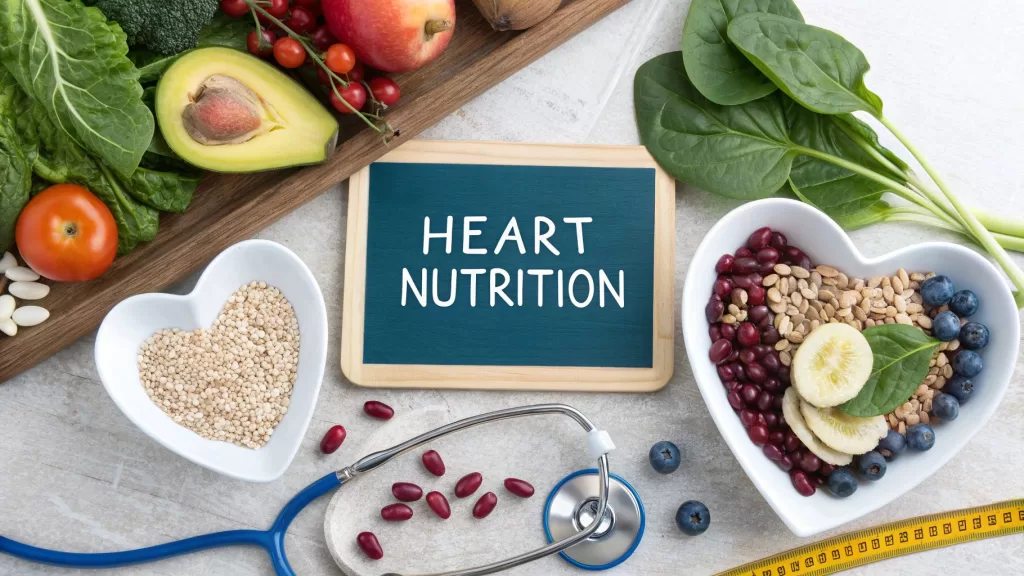
The food you eat is one of the most powerful tools you have for managing your heart health. When we talk about cardiovascular disease nutrition, it's not about deprivation. It’s about building a diet around whole, unprocessed foods like fruits, vegetables, and lean proteins, while dialing back on the things we know cause trouble: high sodium, added sugars, and unhealthy fats. Even small, consistent changes can add up to significant, life-sustaining improvements.
The Powerful Link Between Nutrition and Heart Health
Understanding the deep connection between your plate and your pulse is the first real step toward a healthier life. This isn't about a restrictive, joyless diet; it's about making smart choices that protect your most vital organ. The global impact of cardiovascular disease (CVD) is staggering, and what we eat plays a central role in that story.
The World Health Organization reported that cardiovascular diseases were responsible for a shocking 38% of the 18 million premature deaths from noncommunicable diseases worldwide in 2021. The main culprit? Poor nutrition—specifically, diets loaded with salt, sugars, and unhealthy fats—is a primary risk factor we can actually do something about.
This highlights a critical truth: your daily food choices are never neutral. They are either building resilience against disease or contributing to your risk. Think of your diet as a long-term investment in your body. Every meal is a deposit into your health savings account, and those benefits compound over time.
Foundational Principles for a Heart-Healthy Diet
Navigating nutrition for heart health can feel complicated, but the core principles are refreshingly simple. By focusing on a few foundational elements, anyone can start building a clear roadmap toward better heart health.
To make it even clearer, here’s a quick-reference table breaking down the core do's and don'ts.
Foundational Principles of a Heart-Healthy Diet
| Dietary Component | Recommended Action | Primary Heart Benefit |
|---|---|---|
| Whole Foods | Prioritize fruits, vegetables, whole grains, lean proteins, legumes, nuts, and seeds. | Provides protective nutrients like fiber, potassium, and antioxidants. |
| Processed Foods | Reduce ultra-processed items, fast food, and packaged snacks. | Lowers intake of hidden sodium, unhealthy fats, and added sugars. |
| Sodium | Limit to recommended daily levels; check labels and cook more at home. | Helps manage and lower blood pressure. |
| Saturated & Trans Fats | Minimize by choosing lean meats and avoiding partially hydrogenated oils. | Improves cholesterol levels (lowers LDL, raises HDL). |
| Added Sugars | Avoid sugary drinks, desserts, and processed foods with high sugar content. | Reduces inflammation and helps maintain a healthy weight. |
| Healthy Fats | Include sources like avocados, olive oil, nuts, and fatty fish (salmon). | Supports overall cardiovascular function and reduces inflammation. |
At the end of the day, it's about building your meals around real, whole foods. These are packed with the good stuff—fiber, potassium, antioxidants—that actively protect your heart. At the same time, you're consciously cutting back on the ultra-processed items that hide the very ingredients that can raise blood pressure and cholesterol.
The goal isn’t perfection, it's progress. By embracing a diet rich in whole foods and being mindful of harmful ingredients, you empower your body to function at its best and significantly lower your risk of cardiovascular events.
Making these changes is a practical and highly effective strategy. For a deeper dive into how specific markers reflect heart health, you might find value in understanding your lipid panel test.
Exploring Proven Heart-Healthy Dietary Patterns
When it comes to nutrition for heart health, the goal isn’t to chase the latest diet trend. It's much simpler than that. The most effective strategy is to adopt a way of eating that has been proven to work by decades of clinical evidence.
Think of these dietary patterns less as a set of restrictive rules and more as a framework for building long-term health. Each food choice becomes a deposit into your body's resilience fund against disease. It’s like building a house—you wouldn’t use untested materials for your foundation. You’d choose ones that are proven to be strong and reliable. Let's look at two of the most respected approaches.
The DASH Diet: Powering Down Blood Pressure
The DASH diet, which stands for Dietary Approaches to Stop Hypertension, was created for one specific purpose: to combat high blood pressure, a massive risk factor for heart disease. Its power comes from a strategic focus on nutrients that help lower blood pressure—like potassium, calcium, and magnesium—while putting a strict cap on sodium.
A typical DASH plan is built on:
- Fruits and Vegetables: Packed with potassium and fiber.
- Whole Grains: Delivering essential fiber and minerals.
- Fat-Free or Low-Fat Dairy: For calcium without extra saturated fat.
- Lean Proteins: Think fish, poultry, beans, and nuts.
By focusing on these food groups, the DASH diet naturally crowds out red meat, sweets, and high-sodium processed foods. The result is a powerful effect that has been shown to lower blood pressure in as little as two weeks.
The Mediterranean Diet: A Lifestyle of Longevity
The Mediterranean diet is less of a diet and more of a lifestyle, inspired by the traditional eating habits of people living in countries like Greece and Italy. This approach is widely celebrated for its incredible impact on reducing inflammation, improving cholesterol, and lowering the overall risk of heart attack and stroke.
Its core principles are simple and delicious:
- Healthy Fats: Olive oil is king, used instead of butter or other fats.
- Plant-Forward Meals: Fruits, vegetables, nuts, legumes, and whole grains are the foundation of every meal.
- Fish and Seafood: Eaten regularly, providing critical omega-3 fatty acids.
- Moderate Dairy and Poultry: Consumed in smaller amounts than plant foods.
A key lesson from the Mediterranean pattern is its emphasis on healthy fats and anti-inflammatory foods. It proves that not all fats are bad for you. In fact, incorporating sources like olive oil and fatty fish is one of the best things you can do for your heart.
This way of eating completely moves past the low-fat craze of previous decades, showing that the quality of fat matters far more than the quantity.
Finding the Common Ground for Heart Health
While the DASH and Mediterranean diets come from different places, they share a powerful common philosophy. Both champion a diet loaded with whole, minimally processed foods. And both strongly discourage items high in sodium, unhealthy fats, and added sugars.
Both patterns are naturally rich in:
- Fiber: To help lower cholesterol and manage blood sugar.
- Antioxidants: To fight inflammation and cellular damage.
- Potassium: To counteract the blood pressure-raising effects of sodium.
These shared principles are the bedrock of any truly heart-healthy plan. To see how other established models contribute to long life, you can explore studies on dietary patterns like the principles of the Okinawa Diet. The common thread is always a focus on nutrient-dense, plant-forward eating. Ultimately, the key to lasting change is choosing a pattern that feels sustainable—and even enjoyable—for you.
Meet Your Nutritional Heroes and Villains
When you're trying to eat for a healthier heart, the world of nutrition can feel complicated. All the talk about "good" and "bad" foods can be overwhelming. Let's simplify it. Instead, think of it like a story with clear heroes that protect your heart and villains that can cause real harm.
This isn't about memorizing a bunch of chemical names. It's about knowing which foods are on your team and which ones are working against you. When you can spot these characters on your plate, you start to take real control over your long-term cardiovascular health.
As you can see below, proven dietary patterns like the Mediterranean and DASH diets aren't that different. They both rely on the same core principles for protecting your heart.
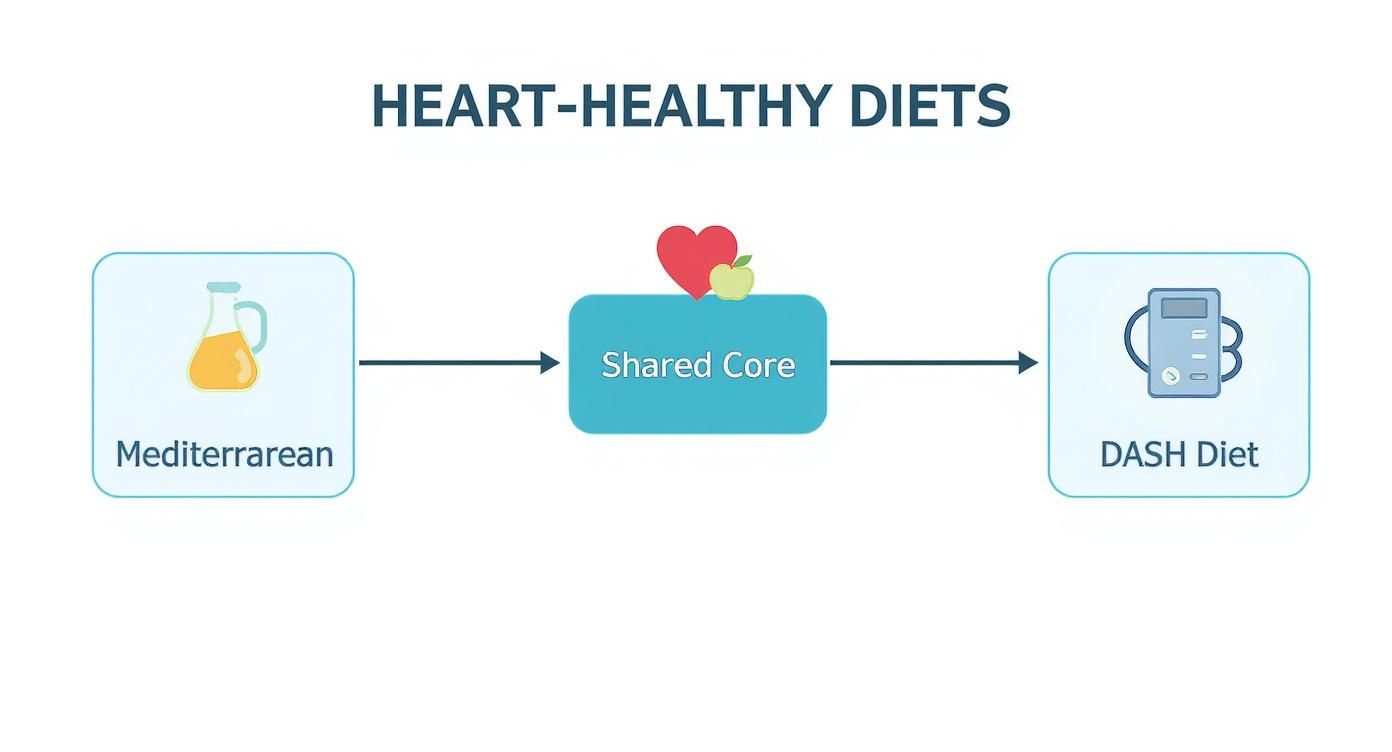
While the specifics might vary a bit, their success comes from the same place: a foundation built on nutrient-rich, whole foods.
Your Nutritional Heroes: The Protectors
Think of certain nutrients as your personal defense team. Making sure your diet is rich in these heroes is one of the most powerful moves you can make for your heart.
-
Soluble Fiber: Picture soluble fiber as a tiny sponge moving through your system. Its mission is to soak up LDL cholesterol—the "bad" kind—and escort it out of your body before it gets a chance to build up in your arteries. You'll find it in foods like oats, barley, apples, and beans.
-
Potassium: This mineral is the perfect counterbalance to sodium. While sodium can hike up your blood pressure, potassium helps your body get rid of the excess and also eases tension in the walls of your blood vessels. Bananas, sweet potatoes, spinach, and avocados are loaded with it.
-
Omega-3 Fatty Acids: These are special healthy fats that have powerful anti-inflammatory properties. Since inflammation is a major driver of plaque buildup in the arteries, omega-3s help put out that fire. They also support a steady heart rhythm and can lower triglycerides. Fatty fish like salmon, along with walnuts and flaxseeds, are excellent sources.
The Villains That Harm Your Heart
Just as you have heroes, there are also nutritional villains that contribute to the very problems you're trying to prevent. The goal isn't to banish them forever, but to seriously cut back.
-
Excess Sodium: A diet high in sodium is one of the main causes of hypertension (high blood pressure). It makes your body hold onto extra fluid, increasing blood volume and putting more strain on your heart. It's sneaky, too—over 70% of sodium in the typical American diet comes from processed and restaurant foods, not the salt shaker on your table.
-
Trans Fats: These are nasty, artificially created fats often listed on labels as "partially hydrogenated oils." They're uniquely damaging because they raise your bad LDL cholesterol while also lowering your good HDL cholesterol. That's a double whammy for your heart. You'll often find them lurking in fried foods, commercial baked goods, and some margarines.
-
Added Sugars: Sugars that are added to foods and drinks are major contributors to chronic inflammation, weight gain, and higher triglyceride levels—all significant risk factors for heart disease. The biggest culprits are often sugary drinks like sodas, sweetened teas, and fruit juices.
Making Smart Choices at the Grocery Store
Knowing the heroes and villains is step one. Step two is putting that knowledge into action at the grocery store. It’s all about building a shopping cart that works for your heart, not against it.
The most impactful dietary changes often happen when we focus on what to add rather than just what to subtract. By intentionally filling your plate with fiber, potassium, and healthy fats, you naturally crowd out the villains.
Here’s a quick cheat sheet to translate this into your shopping list:
| Nutrient Hero/Villain | Foods to Choose (Heroes) | Foods to Limit (Villains) |
|---|---|---|
| Fiber (Soluble) | Oats, barley, lentils, black beans, apples, carrots | White bread, sugary cereals, processed snacks |
| Potassium | Spinach, sweet potatoes, avocados, bananas, yogurt | Canned soups, frozen dinners, processed meats |
| Omega-3s | Salmon, mackerel, walnuts, flaxseed, chia seeds | Fried foods, commercial baked goods |
| Sodium | Fresh herbs, spices, lemon juice for flavoring | Soy sauce, deli meats, pickles, packaged sauces |
| Trans Fats | Olive oil, avocados, nuts, seeds | Shortening, stick margarine, non-dairy coffee creamer |
| Added Sugars | Whole fruits, plain yogurt, sparkling water | Soda, candy, fruit juice, sweetened breakfast cereals |
With this simple framework, every trip to the grocery store becomes a powerful act of self-care for your heart. This strategic approach to cardiovascular disease nutrition makes healthy eating feel less like a chore and more like an achievable, sustainable part of your life.
Navigating the Patient Journey with Programmatic Support
The patient journey with cardiovascular disease doesn't start with a diagnosis—it starts with navigating a new way of life where nutrition is a primary therapy. Knowing what to eat is the first step, but the real challenge is turning that knowledge into sustainable daily habits. This is where the path often diverges.
Real-world barriers like food access, cost, cultural preferences, and lack of time quickly emerge. At Umoja, we see this every day: a patient leaves their doctor’s office with a heart-healthy diet plan but returns home to a food desert or a budget that can’t accommodate fresh produce. This gap between clinical advice and real-world execution is why programmatic support is not just helpful—it’s essential.
Bridging the Gap with Food is Medicine
"Food is Medicine" initiatives are designed to close this gap. These programs understand that to achieve better health outcomes, patients need more than a pamphlet; they need practical, tangible support. By providing direct access to healthy food, these initiatives move healthcare from a reactive model that treats sickness to a proactive one that builds wellness.
This approach is evidence-based. Research consistently shows that low fruit and vegetable intake is a primary dietary risk factor for the global burden of CVD. A 2021 study highlighted that this issue disproportionately affects regions with lower socioeconomic resources, directly linking poor diet quality to conditions like ischemic heart disease. You can read the full research about these dietary risk factors to understand the global scale of the problem.
Programmatic Adaptation: Meeting Patients Where They Are
Effective nutrition programs are not one-size-fits-all. They succeed by adapting to the unique needs of the patient at different stages of their journey. A patient just discharged from the hospital after a cardiac event has very different needs from someone managing a chronic condition long-term. This adaptability is the key to creating lasting change.
Here’s how different program models are tailored to support patients effectively.
Comparing Nutrition Support Program Models
| Program Model | Key Features | Best For | Umoja Insight |
|---|---|---|---|
| Medically Tailored Meals | Fully prepared, nutrient-specific meals delivered to the home. | Post-discharge patients, individuals with severe illness, or those with mobility limitations. | This model removes all patient burden, ensuring immediate nutritional adherence during critical recovery periods. |
| Home-Delivered Grocery Kits | Boxes of pre-portioned, heart-healthy ingredients and simple recipes. | Patients who are able to cook but need support with meal planning, grocery access, and portion control. | Kits build long-term skills. By providing the building blocks, they empower patients to learn and sustain healthy habits. |
| Produce Prescriptions | Vouchers or "prescriptions" redeemable for fruits and vegetables at stores or farmers' markets. | Patients with diet-related chronic diseases who have access to stores but need financial support. | This model offers autonomy and choice, which can significantly boost patient engagement and long-term adoption. |
| Nutritional Counseling | One-on-one sessions with dietitians to create personalized, culturally relevant eating plans. | Anyone needing education, motivation, and help navigating their specific dietary challenges. | Counseling is the crucial educational layer that ensures patients understand the "why" behind their food choices, making other interventions more effective. |
These models take the guesswork and logistical stress out of healthy eating. For example, our home-delivered grocery kitting programs provide all the components for nutritious meals, making it simpler for individuals and families to consistently follow a heart-healthy plan.
True success in cardiovascular disease nutrition comes from integrating clinical advice with practical, real-world support. When patients have access to healthy food and guidance, they are empowered to take control of their health journey and achieve better outcomes.
By addressing the entire patient experience—from the clinic to the kitchen—these adaptive, programmatic solutions transform dietary recommendations into life-saving habits. They provide a clear, supportive path forward, proving that with the right structure, anyone can build a healthier future.
From Knowledge to the Kitchen: Making Your Heart-Healthy Plan a Reality
Knowing the why behind heart-healthy eating is one thing. Turning that knowledge into simple, satisfying meals you actually want to eat? That’s where the real magic happens. This isn't about restriction or punishment. It's about finding delicious, practical ways to make nutritious choices feel like second nature.
Let's bridge the gap between theory and your kitchen table. We’ve put together a straightforward 3-day meal plan to show you how all these concepts come together. It’s full of easy options that prove eating for your heart can be incredibly flavorful and fulfilling.
A Simple 3-Day Heart-Healthy Meal Plan
Think of this as a flexible template, not a strict set of rules. It’s built on the foundations of the DASH and Mediterranean diets, focusing on whole foods, lean protein, healthy fats, and lots of fiber. Feel free to swap in your favorite vegetables or proteins.
Day 1: Fueling with Fiber and Healthy Fats
- Breakfast: Oatmeal cooked with low-fat milk, topped with a handful of berries and a sprinkle of walnuts.
- Lunch: A big spinach salad with grilled chicken breast, chickpeas, cucumber, tomatoes, and a light vinaigrette made with olive oil.
- Dinner: Baked salmon seasoned with herbs, served alongside quinoa and steamed broccoli.
- Snack: An apple with a tablespoon of natural almond butter.
Day 2: Plant-Powered and Potassium-Rich
- Breakfast: A smoothie blended with Greek yogurt, a banana, a handful of spinach, and a tablespoon of flaxseed.
- Lunch: Leftover baked salmon and quinoa from the night before.
- Dinner: Black bean burgers on whole-wheat buns with a side of roasted sweet potato wedges.
- Snack: A small bowl of low-fat cottage cheese with sliced peaches.
Day 3: Lean Protein and Whole-Grain Goodness
- Breakfast: Two scrambled eggs with sautéed bell peppers and onions, served with a slice of whole-wheat toast.
- Lunch: Leftover black bean burgers and sweet potato wedges.
- Dinner: Turkey and vegetable stir-fry with brown rice, using low-sodium soy sauce for flavor.
- Snack: A handful of unsalted almonds and a small orange.
Your Grocery List and Meal Prep Strategy
A good week of eating starts with a plan at the grocery store. This list is designed to match the 3-day plan perfectly, so you can get in and out without getting overwhelmed.
The single best way to stick to a heart-healthy plan is to prepare. An hour or two of prep on a Sunday afternoon can set you up for success all week, taking the guesswork out of meals when you’re tired and hungry.
Here’s a sample shopping list to get you started:
- Produce: Spinach, berries, apples, bananas, broccoli, sweet potatoes, bell peppers, onions, cucumber, tomatoes, peaches, orange.
- Proteins: Chicken breast, salmon fillets, black beans (canned, no salt added), ground turkey, eggs, low-fat Greek yogurt, low-fat cottage cheese.
- Pantry: Rolled oats, quinoa, brown rice, walnuts, almonds, flaxseed, almond butter, whole-wheat buns, whole-wheat bread, olive oil, low-sodium soy sauce.
A Few Meal Prep Tips:
- Cook Grains Ahead: Make a big batch of quinoa or brown rice. It'll be ready for dinners and lunches all week.
- Wash and Chop Veggies: Store chopped peppers, onions, and cucumbers in airtight containers. This makes salads and stir-fries come together in minutes.
- Portion Your Snacks: Divide nuts, seeds, and fruit into small grab-and-go bags. It’s an easy way to control portions.
Navigating Nutrition Labels and Dining Out
To really own your heart health, you have to become a smart consumer, both in the grocery aisle and at your favorite restaurant.
When you're reading labels, keep a close eye on sodium and added sugars. A good rule of thumb is to look for products with less than 140mg of sodium per serving.
Dining out doesn’t have to derail your progress. Don't hesitate to make simple requests. Ask for sauces on the side, choose grilled or baked options instead of fried, and ask for your food to be prepared with little or no salt. These small moves give you control and make it easy to stay on track, no matter where you are.
The Future of Nutrition in Global Heart Health
While the food choices you make every day are incredibly powerful, they don't happen in a vacuum. The journey toward better heart health is both a personal effort and a collective responsibility. Looking ahead, it's crystal clear that making real progress in cardiovascular disease nutrition means we have to think beyond our own plates and tackle the larger systems that shape how we all eat.
Your commitment to a heart-healthy diet is a vital piece of a much bigger puzzle. But personal willpower can only stretch so far when you’re up against systemic barriers. Issues like food deserts—neighborhoods with little to no access to affordable, nutritious food—and the sheer cost of fresh produce make healthy eating a massive challenge for countless families. True progress comes from building environments where healthy choices aren’t just possible, but are actually the easiest choices for everyone.
Addressing Systemic Barriers to Heart Health
To build a healthier future, public health policies have to focus on tearing down these obstacles. This means pushing for initiatives that bring grocery stores into underserved communities, supporting urban farms, and making healthy foods more affordable through subsidies or incentive programs. It’s about making sure every single person has a fair shot at getting the foods that protect their heart.
This shift has never been more urgent. Projections for cardiovascular disease from 2025 to 2050 point to a startling global increase, driven mostly by demographic changes. Dietary risks, right alongside high blood pressure and cholesterol, are still the dominant forces behind this trend, which just hammers home the critical role of nutrition. Discover more insights about these global CVD projections and see for yourself how lifestyle factors continue to shape our health.
Empowerment and Collective Action
The future of fighting heart disease isn’t just about the next clinical breakthrough; it’s about building stronger, more equitable food systems. We have to advocate for policies that put public health first and champion programs designed to improve wellness across entire communities. A huge part of this is achieving nutrition security, which you can learn more about in our detailed overview. This is the bedrock principle that all people, at all times, should have physical and economic access to sufficient, safe, and nutritious food.
Your dietary changes are a powerful statement. Each healthy meal you choose contributes to a groundswell of demand for better food options, influencing markets and policies over time. It is an act of empowerment for yourself and an investment in a healthier future for generations to come.
Ultimately, tackling cardiovascular disease requires a two-pronged approach. We need your continued individual commitment paired with bold, collective action. By working together to create supportive communities and fair food systems, we can finally turn the tide on heart disease and build a future where a healthy heart is within everyone's reach.
Questions on Heart-Healthy Eating, Answered
Changing the way you eat is a big step, and it's natural to have questions. Let's walk through some of the most common ones we hear about nutrition for cardiovascular health so you can feel confident in your journey.
Can Diet Alone Reverse Heart Disease?
A heart-healthy diet is a powerful tool. It can dramatically improve your cardiovascular health, tackle major risk factors, and in some cases, even help stop or partially reverse the disease. Think of it as the bedrock of your treatment plan.
That said, it works best as part of a complete strategy from your healthcare provider. This usually includes medication, exercise, and other lifestyle adjustments working together.
How Long Until I See Health Benefits?
Everyone is a bit different, so the timeline for results varies. Some changes happen surprisingly fast—you might see your blood pressure drop within a few weeks just by cutting back on sodium.
Other metrics, like improvements in your cholesterol levels, often take a few months of consistent, dedicated effort to show up on a lab report.
The real key is building sustainable, long-term habits that you can stick with. Progress is always more important than perfection. It's the consistency over time that drives real, meaningful health outcomes.
Is a Heart-Healthy Diet Expensive?
It absolutely doesn't have to be. In fact, the foundation of good cardiovascular nutrition is built on some of the most affordable foods you can buy.
- Pantry Staples: Things like beans, lentils, oats, and brown rice are incredibly cheap and loaded with fiber.
- Produce Power: Choosing fruits and vegetables that are in-season or buying them frozen is a fantastic way to get essential nutrients without straining your wallet.
A little bit of meal planning, cooking more often at home, and buying certain staples in bulk are all great strategies that make heart-healthy eating very budget-friendly.
What Is the Single Most Important Change I Can Make?
While every person’s needs are unique, one of the most impactful changes for nearly everyone is to drastically cut back on ultra-processed foods.
These are the items typically loaded with sodium, unhealthy fats, and added sugars—the main culprits when it comes to heart health. By simply focusing more on whole, unprocessed foods, you naturally improve the quality of your entire diet in one move.
At Umoja Health, we specialize in creating scalable, compliant nutrition programs that deliver culturally connected, shelf-stable foods to those who need them most. From Food-is-Medicine grocery programs to disaster response kits, we help organizations feed communities with dignity and efficiency. Learn how we can support your mission at https://umojahealth.com.