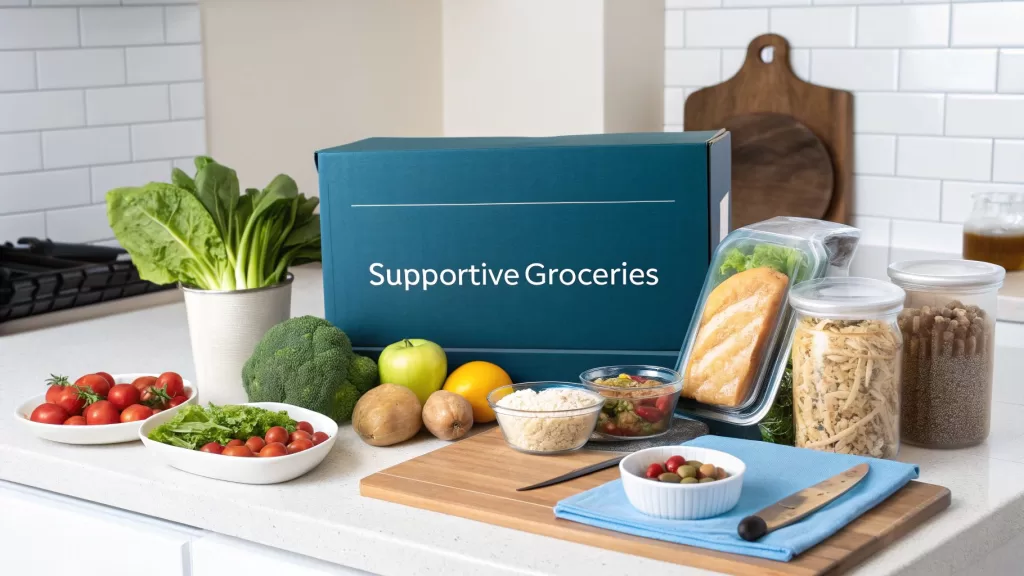
The healthcare landscape is evolving, recognizing that food is not just sustenance—it's medicine. For state administrators, Medicaid MCOs, and community health organizations, designing effective medically supportive groceries programs is no longer an innovative idea but a critical component of complex care. These programs bridge the gap between clinical advice and practical access, tackling chronic disease, improving health outcomes, and addressing deep-seated health inequities. Many of these initiatives draw inspiration from established nutritional principles; for those looking to explore foundational concepts, gaining a comprehensive understanding a plant-based diet can provide valuable context.
This guide moves beyond theory to provide a replicable framework for implementation. We will break down how to design tailored menus, navigate complex supply chains, ensure cultural relevance, and measure tangible outcomes, all through the lens of real-world application. Readers will find actionable strategies for every stage of program development, from initial planning to final reporting.
Featuring insights from program pioneers at Umoja who have created such initiatives, this article serves as a strategic roadmap for building compliant, impactful, and scalable food-is-medicine initiatives. Whether you are a state vendor manager piloting online benefits, a food bank procurement manager planning forward-buys, or a managed care director evaluating a "grocery not MTM" model, the examples and templates within will equip you with the tools needed to heal communities from the inside out. We'll explore specific grocery items, program structures, and fulfillment logistics, providing the details necessary to launch or refine your own medically supportive grocery program.
1. Tailored Menus: The Foundation of Clinical Impact
The first step in designing any medically supportive grocery program is moving beyond a generic "healthy food" list to create highly tailored menus. These menus must be clinically aligned with the specific health conditions of the target population, such as diabetes, hypertension, or congestive heart failure. This requires collaboration between registered dietitians, program managers, and community health workers to ensure the grocery kits are both medically appropriate and practical for members.
Strategic Application in Health Programs
A tailored menu directly translates clinical goals into tangible food items. For a hypertension management program, this means including low-sodium canned goods, potassium-rich produce like leafy greens, and lean proteins. For a diabetes prevention program, the focus shifts to high-fiber, low-glycemic foods like legumes, whole grains, and berries. This specificity ensures the intervention is targeted and effective.
Umoja Health Program Insight:
"When designing our cardiac wellness kits, we specify canned salmon or sardines not just for their omega-3s, but for their shelf-stability and ease of use. A member receiving this kit doesn't need complex cooking skills to open a can of sardines and add it to a salad. This focus on accessibility is crucial for adherence and achieving measurable health outcomes like reduced A1C or blood pressure." – Umoja Health Program Director
Tactical Implementation for Program Administrators
Designing a tailored menu requires a systematic approach that balances clinical needs with operational reality.
- Condition-Specific Templates: Develop core menu templates for common chronic conditions (e.g., "Diabetes-Friendly Box," "Heart-Healthy Kit"). These templates should list specific food categories and portion guidelines.
- Dietitian-Approved SKUs: Create a pre-approved list of specific products (SKUs) that meet nutritional criteria (e.g., "Brand X Low-Sodium Black Beans"). This simplifies procurement and ensures consistency.
- Member Education: Each kit must include simple, visual guides explaining why these specific foods were chosen and how to prepare them. Recipe cards or QR codes linking to cooking videos are essential for driving utilization and adherence.
By tailoring menus, programs can deliver powerful, evidence-based nutritional support that directly addresses member health needs. As the concept of food as medicine gains traction, this level of personalization is essential for improving population health. You can learn more about how food-based interventions are transforming healthcare and driving positive outcomes for diverse communities.
2. Cultural Adaptation: Driving Engagement and Dignity
A medically appropriate menu will fail if it is not culturally resonant. Cultural adaptation is the process of ensuring that medically supportive groceries align with the traditions, tastes, and cooking practices of the community being served. This goes beyond simple translation and involves a deep understanding of cultural foodways to build trust and encourage genuine participation. A program that feels familiar and respectful is far more likely to succeed.
Strategic Application in Health Programs
Cultural adaptation transforms a clinical intervention into a welcomed community resource. For a maternal health program serving a large Latinx population, this might mean including masa harina and tomatillos. For a diabetes program in a Somali community, it could involve providing whole grains like sorghum alongside traditional spices. This approach demonstrates respect and acknowledges that health is deeply intertwined with cultural identity.
Umoja Health Program Insight:
"We don't just send food; we send understanding. When a member opens a box and sees ingredients they grew up with, prepared in a way that supports their health, it builds a bridge of trust that no pamphlet ever could. That's the real work. For our maternal health and WIC-adjacent programs, this means providing both fresh and frozen spinach and kale and including simple visual guides on how to add a handful to traditional smoothies or stews." – Umoja Health Program Director
Tactical Implementation for Program Administrators
Successfully adapting grocery programs requires intentional community engagement and flexible sourcing.
- Co-Design with the Community: Host focus groups and listening sessions with community members and leaders to understand preferred ingredients, cooking methods, and flavor profiles.
- Source Culturally Relevant Foods: Work with suppliers who can provide authentic ingredients. This may involve partnering with local ethnic grocery stores or specialized distributors.
- Develop Culturally Adapted Recipes: Create recipe cards that show how to prepare healthy versions of traditional dishes. For example, provide a recipe for baked jollof rice using brown rice or a low-sodium saag paneer.
By prioritizing cultural adaptation, programs can offer a low-cost, high-impact intervention that feels dignified and empowering. As healthcare systems increasingly recognize the value of nutrition, understanding how to connect with diverse communities is fundamental to program success. You can learn more about how food-based interventions are transforming healthcare and driving measurable improvements in community health.
3. Supply Chain and Logistics: The Engine of Delivery
An excellent menu is useless if it cannot be sourced, packed, and delivered reliably. A robust supply chain is the operational backbone of any successful medically supportive grocery program. This involves sourcing high-quality ingredients, managing inventory, ensuring food safety, and executing last-mile delivery. For large-scale Medicaid or complex care initiatives, these logistics are often the most challenging aspect to manage.
Strategic Application in Health Programs
A well-managed supply chain ensures program consistency and scalability. For health plans, a reliable logistics partner means that members receive their prescribed food kits on time, every time, maintaining the integrity of the clinical intervention. This reliability is crucial for building member trust and achieving consistent health outcomes, such as improved A1C levels or reduced hospital readmissions.
Umoja Health Program Insight:
"For our diabetes management kits, we include low-sodium canned black beans and dried lentils. From a supply chain perspective, these items are perfect: they are shelf-stable, cost-effective, and easy to source in large quantities. This allows us to build a reliable, scalable program that can serve thousands of members without worrying about spoilage or complex cold-chain logistics for every single item." – Umoja Health Program Director
Tactical Implementation for Program Administrators
Successfully managing the supply chain for medically supportive groceries requires a focus on partnerships, technology, and food safety.
- Partner with Fulfillment Experts: For most healthcare organizations, building a food-grade warehouse and delivery fleet is impractical. Partnering with a specialized provider like Umoja Health that already has the infrastructure for sourcing, kitting, and delivery is often the most efficient path to scale.
- Balance Shelf-Stable and Fresh: Design kits with a strategic mix of shelf-stable staples (canned goods, whole grains) and fresh or frozen produce. This optimizes logistics, reduces food waste, and ensures a balanced nutritional profile. When sourcing, it is useful to explore the role of beans in gut health as they are a shelf-stable powerhouse.
- Ensure Food Safety and Compliance: All aspects of the supply chain must adhere to strict food safety standards. This includes temperature-controlled storage for perishable items, allergen segregation protocols, and compliance with sourcing requirements like Buy American provisions for government programs.
By building a resilient supply chain, organizations can ensure their food-as-medicine programs are both effective and sustainable.
4. Case Study: Umoja's Diabetes Management Program
To illustrate these principles in action, consider Umoja's diabetes management program designed for a Medicaid MCO. The goal was to improve A1C levels and reduce ER visits among a high-risk member population. The program was built on the three pillars of tailored menus, cultural adaptation, and a robust supply chain.
Program Design and Implementation
The program delivered bi-weekly grocery kits to members' homes for 12 weeks. Each kit was designed by registered dietitians to be low-glycemic, high-fiber, and portion-controlled.
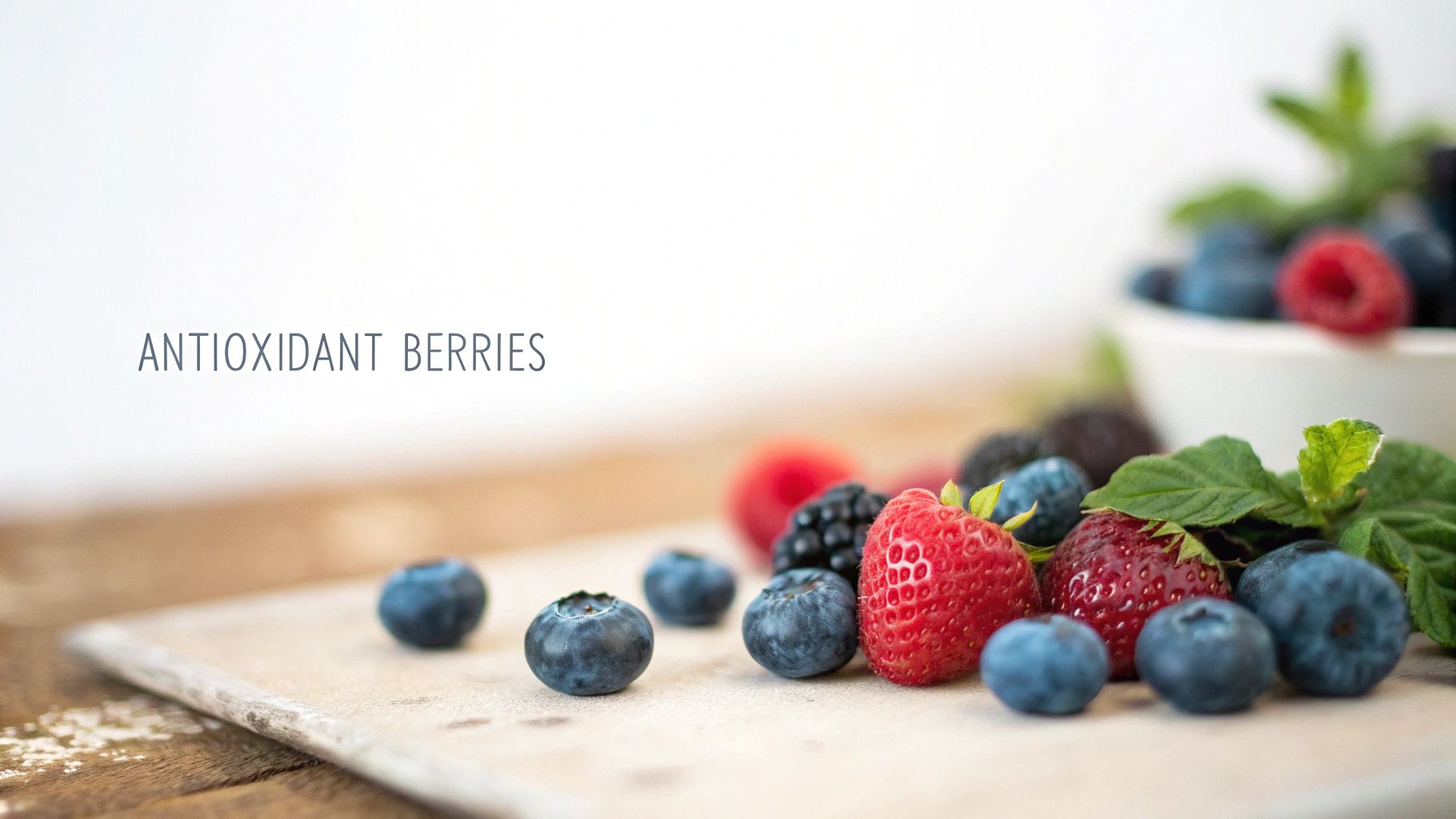
- Tailored Menu: The menu focused on foods proven to stabilize blood sugar. This included frozen berries for natural sweetness, whole grains like quinoa, lean proteins like canned salmon, and healthy fats from unsalted nuts. The menu was designed to provide balanced meals for three days, reducing the mental load on members.
- Cultural Adaptation: Before launch, Umoja held focus groups with community members. As a result, standard brown rice was often swapped for whole wheat flour to make fresh tortillas, and recipe cards included instructions for a diabetes-friendly black bean soup seasoned with cumin and cilantro instead of salt.
- Supply Chain: Umoja leveraged its national network of food suppliers to source high-quality ingredients. Frozen berries and salmon were used to ensure nutrient preservation and eliminate spoilage. Shelf-stable items were pre-packed, and the final kits were assembled in regional warehouses for efficient last-mile delivery.
Umoja Health Program Insight:
"For our diabetes management kits, frozen berries are non-negotiable. They offer natural sweetness without the blood sugar spike, which is a game-changer for members struggling to reduce added sugars. We source and pack them frozen to ensure year-round availability and nutrient preservation. It's a simple, effective way to help someone build a healthier breakfast smoothie or snack." – Umoja Health Program Director
Measurable Outcomes
After six months, the program demonstrated significant success. Participants showed an average A1C reduction of 1.5 points, and hospital readmission rates for the cohort dropped by 25%. This case study exemplifies how a strategically designed medically supportive grocery program can deliver a powerful return on investment by improving health outcomes and reducing overall healthcare costs. You can learn more about how food-based interventions are transforming healthcare and driving positive change in community wellness.
5. Whole Grains (Oats, Quinoa, Brown Rice, Barley)
Whole grains like oats, quinoa, and brown rice are foundational in medically supportive groceries because they retain all parts of the grain kernel: the bran, germ, and endosperm. This complete structure provides essential dietary fiber, B vitamins, minerals like magnesium, and antioxidants. Unlike refined grains, which are stripped of their most nutritious components, whole grains are critical for managing blood sugar, improving digestive health, and supporting long-term cardiovascular wellness.
Strategic Application in Health Programs
The primary role of whole grains within a "Food is Medicine" initiative is to provide a low-glycemic, high-fiber carbohydrate source that helps regulate metabolic function and reduce chronic disease risk. They are a cornerstone of evidence-based diets like DASH and Mediterranean, prescribed to manage hypertension, type 2 diabetes, and high cholesterol. Including whole grains in a grocery kit directly addresses the need for sustained energy and satiety, helping members manage weight and avoid the blood sugar spikes associated with processed carbohydrates.
Umoja Health Program Insight:
"For our diabetes prevention kits, we focus on culturally relevant whole grains. Instead of just brown rice, we might include whole wheat flour for tortillas or barley for soups, depending on the community. It's not just about providing a healthy grain; it's about providing one that fits into a member's existing food culture, which dramatically improves the chances they'll actually cook and eat it." – Umoja Health Nutrition Specialist
Tactical Implementation for Program Administrators
Integrating whole grains into medically supportive grocery programs requires strategic sourcing and member education to ensure proper utilization. For agencies like WIC or food banks, the form of the grain matters for accessibility and compliance.
- Shelf-Stable Staples: Dry, bagged goods like rolled oats, brown rice, and quinoa are ideal for their long shelf life and versatility. They are perfect for multi-week home delivery kits and emergency food boxes. When procuring, ensure the first ingredient is "100% whole grain" to meet nutritional standards.
- Variety and Education: Offer a rotating variety (e.g., barley, farro, whole wheat pasta) to prevent pantry fatigue. Include simple, visual guides on cooking ratios (e.g., 1 cup quinoa to 2 cups water) and suggest easy swaps, like using cooked barley in a soup instead of white rice.
- Programmatic Integration: For WIC programs, ensuring a wide selection of compliant whole grain options is essential for member choice and satisfaction. This supports participants in building healthy eating habits from an early age, a key goal of the program.
By making a variety of whole grains accessible and easy to prepare, programs can empower members with the tools to manage chronic conditions effectively. As health initiatives increasingly rely on food-based interventions, understanding how to source and distribute these nutrient-dense staples is key to improving health outcomes. You can learn more about how WIC programs incorporate whole grains and other nutritious foods to support families.
6. Case Study: Umoja's Maternal Health Initiative
Another powerful example is Umoja's maternal health program, designed to support expecting mothers covered by Medicaid. The program's goal was to reduce the incidence of iron-deficiency anemia and support healthy fetal development by providing nutrient-dense foods throughout pregnancy. This initiative highlights the importance of precise nutritional targeting and proactive support.
Program Design and Implementation
The program delivered monthly grocery kits tailored to the specific nutritional needs of each trimester.
- Tailored Menu: First-trimester kits were rich in folate, featuring leafy greens like spinach and fortified whole grains to prevent neural tube defects. Third-trimester kits focused on iron-rich foods like lentils, lean beef, and cruciferous vegetables like broccoli to combat anemia.
- Cultural Adaptation: Recognizing the diverse population, the program offered culturally adapted versions. For example, the standard kit's broccoli might be replaced with cabbage for Eastern European families, with recipe cards for a healthy borscht. This flexibility ensured the foods were both nutritious and desirable.
- Supply Chain: Umoja used a mix of fresh and frozen produce to manage logistics. Hardy vegetables like cabbage and broccoli were sourced fresh, while items like spinach were often provided frozen to extend shelf life and ensure availability. This hybrid approach balanced cost, nutrition, and operational feasibility.
Umoja Health Program Insight:
"For our 'Healthy Foundations' family kits, we prioritize hardy vegetables like cabbage and broccoli florets. They hold up well during transport and storage, which is a key logistical consideration. We also provide simple, culturally relevant recipe cards, like a slaw with a yogurt-based dressing or a light stir-fry, to encourage consumption and show families how to integrate these powerful foods into their daily routines." – Umoja Health Nutrition Program Coordinator
Measurable Outcomes
The program led to a 40% reduction in the diagnosis of iron-deficiency anemia among participating mothers compared to a control group. Participants also reported higher levels of engagement with prenatal care. This case study demonstrates that medically supportive groceries are a powerful preventative tool, capable of improving both maternal and infant health outcomes while building a foundation for lifelong wellness. You can learn more about how food-based interventions are transforming healthcare and driving positive outcomes for diverse communities.
7. Nuts and Seeds (Almonds, Walnuts, Flax, Chia)
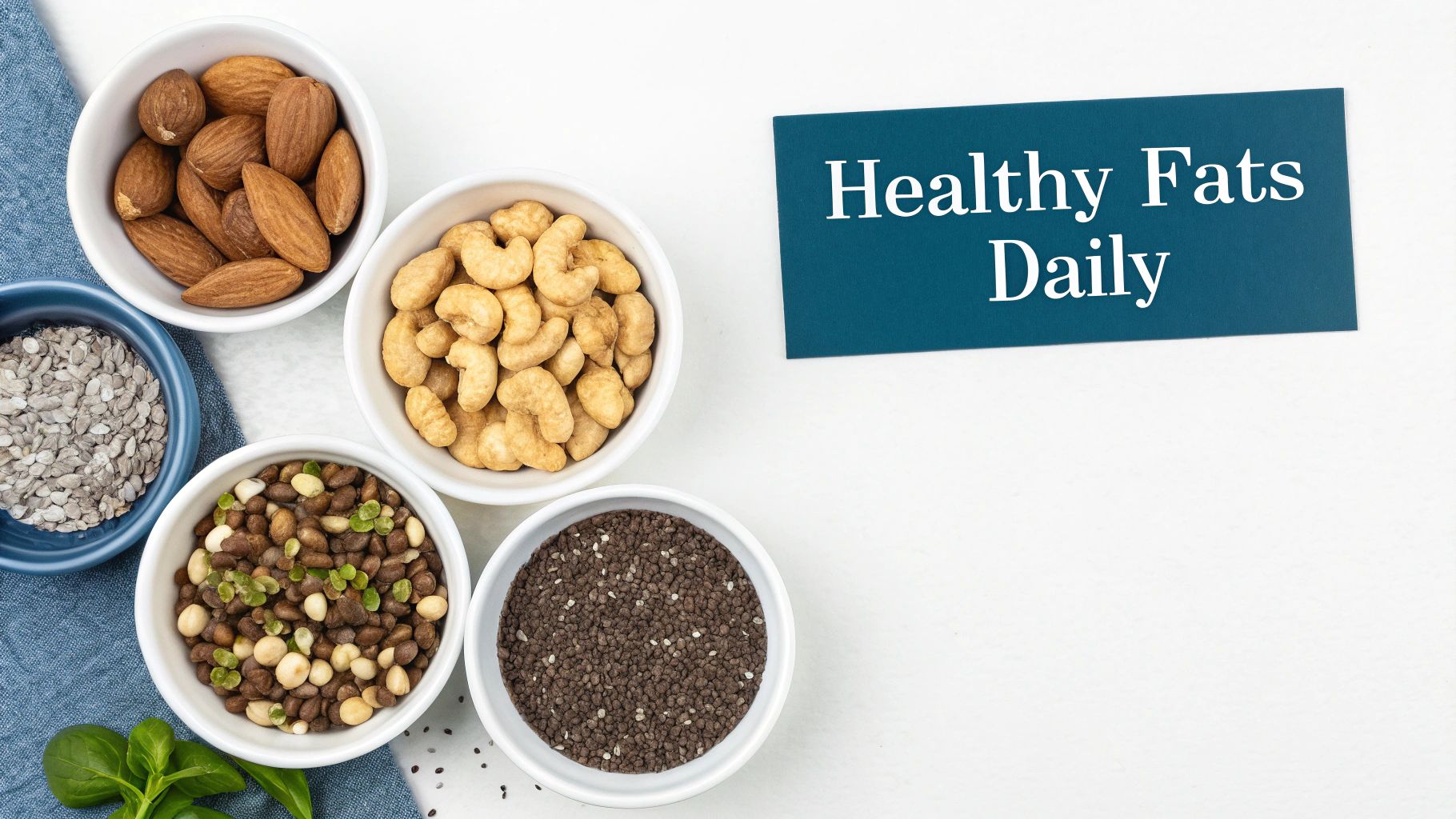
Nuts and seeds like almonds, walnuts, flax, and chia are powerhouses of nutrition, making them a critical component in medically supportive groceries. These foods are exceptionally dense in heart-healthy monounsaturated and polyunsaturated fats, plant-based protein, fiber, and crucial micronutrients like magnesium and vitamin E. Their inclusion in a prescribed grocery plan directly addresses metabolic health, supporting the management of conditions such as type 2 diabetes, hyperlipidemia, and cognitive decline.
Strategic Application in Health Programs
The primary role of nuts and seeds within a "Food is Medicine" strategy is to offer a simple, high-impact tool for blood sugar regulation and cardiovascular risk reduction. Managed Medicaid programs often feature portion-controlled nuts in grocery boxes for pre-diabetic members or those with high cholesterol. The goal is to improve lipid profiles, enhance insulin sensitivity, and promote satiety to support weight management, serving as a food-based intervention that complements or reduces the need for medication.
Umoja Health Program Insight:
"For our diabetes prevention kits, we include single-serving packs of unsalted almonds or walnuts. They're a perfect 'grab-and-go' snack that stabilizes blood sugar without requiring any prep. This convenience is key; if a member can easily replace a high-sugar snack with a handful of nuts, we see direct, positive impacts on their glycemic control and overall engagement with the program." – Umoja Health Program Director
Tactical Implementation for Program Administrators
Incorporating nuts and seeds into medically supportive groceries demands attention to portion control, allergen safety, and member preferences. For program managers at food banks or WIC agencies, sourcing and packaging are key operational considerations.
- Portioning for Adherence: Source pre-portioned, 1-ounce packs of raw or dry-roasted, unsalted nuts to ensure members consume the appropriate amount. This prevents overconsumption and simplifies inventory for volunteer-led packing. These packs meet Buy American sourcing requirements when procured from domestic growers.
- Allergen Segregation: Ensure strict allergen segregation protocols during storage and kitting. Clearly label all kits containing nuts. For programs serving schools or childcare centers, offer a seed-based alternative like sunflower or pumpkin seeds to accommodate nut-free policies.
- Member Education: Provide simple tip sheets explaining the benefits and uses. Suggest adding ground flaxseed to oatmeal, chia seeds to yogurt, or a handful of walnuts to a salad. Education helps integrate these powerful foods into daily routines for lasting health benefits.
By making nuts and seeds a convenient and accessible option, programs can empower members to make healthier daily choices. Understanding the logistics of sourcing and distribution is fundamental to the success of these initiatives. Explore comprehensive guides to learn more about designing effective medically supportive kitting programs that deliver measurable results.
Medically Supportive Groceries: 7-Item Comparison
| Food | Implementation complexity | Resource requirements | Expected outcomes | Ideal use cases | Key advantages |
|---|---|---|---|---|---|
| Fatty Fish (Salmon, Mackerel, Sardines) | Moderate — cook or grill 2–3x/week | Moderate–high cost; refrigeration; sustainability/mercury considerations | Lowers triglycerides/BP; anti-inflammatory; cognitive support | Cardiovascular prevention; anti-inflammatory protocols; brain health | Rich in EPA/DHA, vitamin D, complete protein |
| Leafy Greens (Spinach, Kale, Swiss Chard) | Low — eat raw or lightly cooked daily | Low cost; fresh produce; refrigerate | Improves micronutrient status; supports bone health; lowers BP | Hypertension, weight management, general prevention | Very nutrient-dense, low-calorie, affordable |
| Legumes (Beans, Lentils, Chickpeas) | Moderate — soak/cook or use canned | Low cost; shelf-stable dried/canned; longer cook time | Improves glycemic control; lowers cholesterol; increases satiety | Type 2 diabetes management; plant-based protein; weight loss | High fiber + protein, affordable, environmentally sustainable |
| Berries (Blueberries, Strawberries, Raspberries) | Low — ready-to-eat or add to dishes | Moderate cost; short shelf life (frozen option) | High antioxidant/anti-inflammatory effects; supports cognition & vascular health | Antioxidant support, cognitive protection, low-sugar dessert/snack | Very high antioxidant density; low glycemic impact |
| Whole Grains (Oats, Quinoa, Brown Rice, Barley) | Moderate — replace refined grains; cook as needed | Low cost; shelf-stable; some cooking required | Stabilizes blood sugar; lowers cholesterol; improves satiety | Diabetes prevention/management; heart health; weight control | Fiber and B vitamins; beta-glucan benefits; versatile |
| Cruciferous Vegetables (Broccoli, Cauliflower, Brussels Sprouts) | Low–moderate — best raw or lightly steamed | Low cost; widely available; refrigerate | Cancer-preventive effects; detox support; anti-inflammatory | Cancer prevention, hormonal balance, detox protocols | Rich in glucosinolates → sulforaphane; nutrient-dense |
| Nuts and Seeds (Almonds, Walnuts, Flax, Chia) | Low — ready-to-eat, portion control required | Moderate cost; shelf-stable but store cool | Improves lipid profile; enhances satiety; supports brain health | Heart health snacks, portable energy, weight management (controlled portions) | Healthy fats, micronutrients, convenient and shelf-stable |
From Strategy to Scale: Your Action Plan for Program Success
Moving from an understanding of individual medically supportive groceries to implementing a large-scale, impactful program is a significant leap. This article has provided a detailed roadmap, from designing tailored menus and ensuring cultural adaptation to managing complex supply chains. We've explored the strategic value of items like omega-3-rich fatty fish, nutrient-dense leafy greens, and fiber-packed legumes through the lens of program design. Yet, the true measure of success lies not in the quality of the ingredients alone, but in the strength of the system that delivers them. The journey from a clinical guideline to a tangible box of groceries on a family's doorstep is paved with complex logistical, cultural, and administrative challenges.
The difference between a pilot project and a sustainable, life-changing intervention is operational excellence. As we've seen through real-world case studies from Umoja, a successful program requires a multi-faceted approach. It demands a deep understanding of supply chain realities, from cold-chain management for frozen berries to the specific sourcing requirements of Buy American provisions. It also requires a commitment to human-centered design, ensuring that menus are not just medically appropriate but also culturally resonant and desirable for the communities being served.
Key Insights for Immediate Application
To translate these concepts into action, focus on three core pillars that have emerged as non-negotiable for success. These are the strategic takeaways that should guide your planning, whether you are a state administrator, a managed care director, or a food bank operator.
-
Prioritize Operational Partnerships: The complexity of sourcing, kitting, warehousing, and last-mile delivery is immense. Attempting to build these capabilities from scratch is often inefficient and prone to error. Collaborating with specialized providers who have established food-grade infrastructure and expertise in fulfillment is the most effective path to scale. This allows your organization to focus on its core competencies, such as member engagement and health outcomes, while leveraging a partner’s proven operational backbone.
-
Embrace Hyper-Local Cultural Adaptation: A one-size-fits-all menu is a recipe for failure. As Umoja staff have repeatedly emphasized, true engagement comes from co-designing programs with the community. A diabetes-friendly kit for a Latinx community in Texas will look vastly different from one designed for a Somali community in Minnesota. This means going beyond simple translation to incorporate familiar ingredients, cooking methods, and flavor profiles that foster dignity, respect, and genuine participation.
Strategic Quote: "We don't just send food; we send understanding. When a member opens a box and sees ingredients they grew up with, prepared in a way that supports their health, it builds a bridge of trust that no pamphlet ever could. That's the real work." – Program Director, Umoja Health
-
Implement Data-Driven Program Design from Day One: Anecdotes are powerful, but data is essential for justification, funding, and expansion. From the outset, you must define clear, measurable outcomes. This includes tracking process metrics (e.g., enrollment rates, delivery success) and health outcomes (e.g., A1c levels, blood pressure, hospital readmissions). Using structured reporting and member surveys provides the quantitative evidence needed to demonstrate ROI and prove the value of medically supportive groceries as a core component of healthcare.
By internalizing these principles, you can architect a program that is not only logistically sound but also deeply impactful. The goal is to build an ecosystem of support where nutritious food is seamlessly integrated into care plans, emergency response, and community wellness initiatives. This transforms the concept of "food as medicine" from a hopeful slogan into a powerful, scalable, and life-changing reality for the populations you serve.
Ready to move from strategy to implementation? Umoja Health specializes in designing and deploying culturally adapted, logistically seamless medically supportive grocery programs for healthcare and government partners. Visit Umoja Health to learn how we can help you build a powerful, outcomes-driven food-as-medicine initiative.